
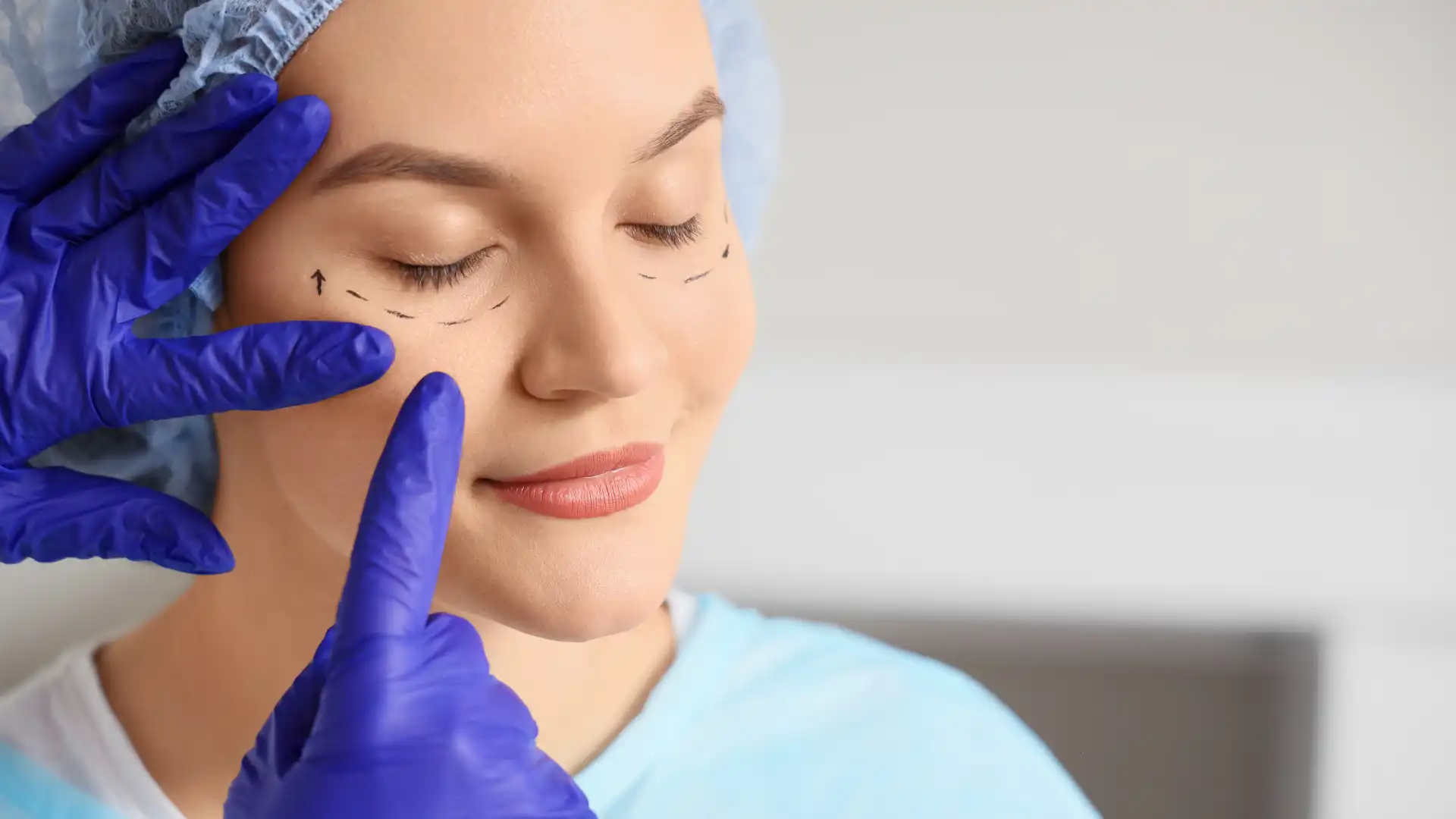
How to find a good plastic surgeon in the UK
Finding a good plastic surgeon in the UK starts with safety, not price. Before you compare before-and-after photos or package deals, you need to check whether the surgeon is properly trained, works within their specialist area, and operates from a regulated cosmetic surgery clinic. In the UK, the safest place to start is by checking the GMC register, reviewing recognised professional memberships, and making sure the clinic is inspected by the Care Quality Commission.
Why choosing the right surgeon matters
Cosmetic surgery is still surgery. That means there are real risks, real recovery periods, and real consequences if something goes wrong. The most trusted UK guidance advises patients to look beyond advertising and focus on qualifications, experience, complication rates, aftercare, and where the procedure will be carried out.
A good website or polished social media profile is not enough. Many providers market themselves well, but that does not always tell you whether you are dealing with a qualified plastic surgeon. The strongest articles in your reference file all lean on the same point: patients should verify credentials independently rather than rely on claims made in marketing.
Check the GMC Specialist Register first
One of the most important steps if you want to find a good plastic surgeon is checking the General Medical Council. The GMC’s Specialist Register lists doctors who are eligible for consultant-level specialist practice, and for cosmetic surgery you should look for someone registered in the relevant surgical specialty, commonly plastic surgery.
This matters because “cosmetic surgeon” is not a standalone protected specialist title in the same way patients often assume. A surgeon may use cosmetic language in marketing, but you still need to confirm their formal specialist registration and whether their training matches the procedure you are considering.
If you are researching breast procedures, it also helps to understand what can happen when treatment falls below a proper standard. For readers exploring that area, our guide to breast surgery compensation claims fits naturally here because it explains the kinds of issues patients may face after poor care.

Look for recognised surgical memberships
Another useful way to find a good plastic surgeon is to check whether they appear on respected professional association directories. The British Association of Aesthetic Plastic Surgeons says its surgeons are on the GMC Specialist Register and have high-level training and qualifications in aesthetic surgery. BAPRAS also allows the public to search its full members.
These memberships should not replace your own checks, but they are valuable trust signals. A qualified plastic surgeon will usually have no issue explaining their background, training pathway, and why they are appropriate for your chosen procedure.
If you are considering facial surgery, especially nose reshaping, it is sensible to look for someone whose work is heavily focused on that area rather than a generalist provider. That is also why a page such as rhinoplasty compensation support can be relevant for readers who want to understand the risks of poor surgical outcomes in a procedure-specific context.
Ask whether the surgeon is certified for cosmetic work
The Royal College of Surgeons of England has a cosmetic surgery certification scheme and a register of board certified cosmetic surgeons. According to the RCS, certified surgeons have demonstrated that they meet its standards for cosmetic surgery in specific areas of the face or body.
That does not mean every excellent surgeon will necessarily appear there, but it is another helpful check when comparing options. If you are unsure between two providers, RCS certification can give extra reassurance that the surgeon’s cosmetic practice has been assessed against nationally recognised standards.
Make sure the clinic is properly regulated
A surgeon’s qualifications are only part of the picture. You also need to know where the operation will happen. In England, independent hospitals and clinics providing cosmetic surgery must be registered with the Care Quality Commission, and patients can use CQC reports to review quality of care.
A reputable cosmetic surgery clinic should be open about where your procedure will take place, who provides anaesthesia, what emergency support is available, and what happens if you need follow-up treatment. If a provider seems vague about the facility, that is a warning sign.
When reviewing a cosmetic surgery clinic, check:
- whether it is registered with the CQC
- whether inspection reports are available
- whether surgical procedures are carried out in an appropriate setting
- who will provide aftercare if complications develop
- whether your consultation and surgery are handled by the same team
Had cosmetic surgery and something does not feel right?
From poor advice before surgery to avoidable complications afterwards, there may be legal options available if your care fell below an acceptable standard.
Find out where you stand
Book a consultation and ask direct questions
The NHS advises patients to book a consultation with the person who will actually carry out the procedure before making a final decision. During that consultation, you should ask how many procedures they have done, what complications are most common, what aftercare is included, and what happens if you are unhappy with the result.
This is where a qualified plastic surgeon should stand out. They should give clear answers, realistic expectations, and honest information about scarring, recovery, limitations, and risk. They should also tell you if you are not a suitable candidate.
Useful questions to ask include:
- How many of these procedures have you personally performed?
- What are the most common risks and complications?
- What does recovery look like week by week?
- Who will look after me after surgery?
- What happens if I need revision treatment?
- Can I take time to decide after this consultation?
If you feel pressured to book immediately, walk away. The NHS also warns patients to avoid discount-led events, procedures sold through voucher sites, mobile services in non-clinical settings, and providers who rely only on social media promotion.

Be cautious about price-led decisions
Cost matters, but it should never be your first filter. Very low prices can be attractive, especially if the clinic markets itself aggressively, but cheap surgery can come at the expense of consultation time, staffing, aftercare, or proper patient selection.
A good plastic surgeon in the UK will usually focus more on your suitability and expected outcome than on rushing you into a booking. If a provider spends more time selling finance options than discussing risks, that should raise concerns.
Look for experience in your exact procedure
Not every qualified plastic surgeon specialises in every operation. A surgeon may be excellent in breast surgery, for example, but less procedure-focused in rhinoplasty or facial work. That is why it is worth asking what proportion of their practice is dedicated to the treatment you want.
Before deciding, check:
- whether the surgeon regularly performs your chosen procedure
- whether they can explain their approach clearly
- whether the consultation feels personalised rather than scripted
- whether aftercare is clearly set out in writing
This matters because good outcomes often depend on repetition, judgement, and careful patient selection, not just basic qualification alone.
Know the warning signs of a poor provider
If you want to find a good plastic surgeon, it helps to know what poor practice looks like too. Be cautious if you notice any of the following:
- pressure to pay a deposit on the day
- vague answers about qualifications or complication rates
- no clear mention of CQC registration
- consultations handled by sales staff instead of the surgeon
- unrealistic promises about “scar-free” or “risk-free” surgery
These issues do not automatically prove negligence, but they often suggest a provider is not putting patient safety first.
What to do if something goes wrong
Even where surgery is carried out by a qualified plastic surgeon, complications can happen. But if the problem was caused by poor care, avoidable mistakes, inadequate consent, or substandard aftercare, you may need legal advice as well as medical support.
For readers trying to understand the wider picture, our article on cosmetic surgery compensation claims in the UK is the most relevant internal resource because it explains common claim scenarios in a broader cosmetic treatment context.
If you believe negligent treatment has harmed you, a simple next step is to contact our team for advice on whether your situation may amount to a cosmetic negligence claim.
Final thoughts
The safest way to find a good plastic surgeon is to slow the process down and verify everything independently. Start with the GMC register. Look for BAAPS or BAPRAS membership. Check whether the surgeon appears on the Royal College of Surgeons cosmetic certification register. Confirm that the cosmetic surgery clinic is regulated by the CQC. Then use the consultation to ask direct, practical questions.
A qualified plastic surgeon should welcome those checks. The right provider will want you to make an informed decision, not a rushed one.
Worried you trusted the wrong cosmetic surgeon?
A poor outcome can raise serious questions about the surgeon’s qualifications, the advice you were given, and whether the clinic followed proper standards. If you believe your treatment was handled badly, we can help you understand whether you may have a cosmetic surgery negligence claim.