
What is the hardest plastic surgery to recover from?
The hardest plastic surgery to recover from is a question that many people ask before deciding whether to go ahead with a procedure — and the honest answer is that it depends on several factors. The type of surgery, how extensive it is, whether multiple procedures are combined, and your individual pain tolerance all play a part.
That said, certain procedures consistently top the list when it comes to painful and prolonged cosmetic surgery recovery. In this guide, we rank the most demanding surgeries from a recovery standpoint, explain what makes each one difficult, and cover what your options are if something went wrong during or after your procedure.
What makes a plastic surgery recovery particularly difficult?
Not all cosmetic operations carry the same recovery burden. Several factors determine how challenging cosmetic surgery recovery will be:
- Size of the surgical site. Larger incisions, more extensive tissue manipulation, and wider treatment areas mean a longer and more uncomfortable healing process.
- Muscle involvement. Procedures that require cutting, repositioning, or tightening muscle — such as a tummy tuck — tend to be significantly more painful than those that only address skin or fat.
- Combined procedures. Having two or more surgeries at the same time places cumulative stress on the body and can dramatically increase recovery time and discomfort.
- Location on the body. Procedures involving the face are often more emotionally challenging because swelling and bruising are immediately visible, even if the physical pain may be less intense than body procedures.
- Individual pain threshold. Recovery experiences vary significantly between patients. The same surgery can feel manageable to one person and extremely difficult to another.
Understanding these factors helps set realistic expectations — and is also relevant if you are building a case around plastic surgery complications that were not properly managed or disclosed before you consented to the procedure.
The most difficult plastic surgeries to recover from
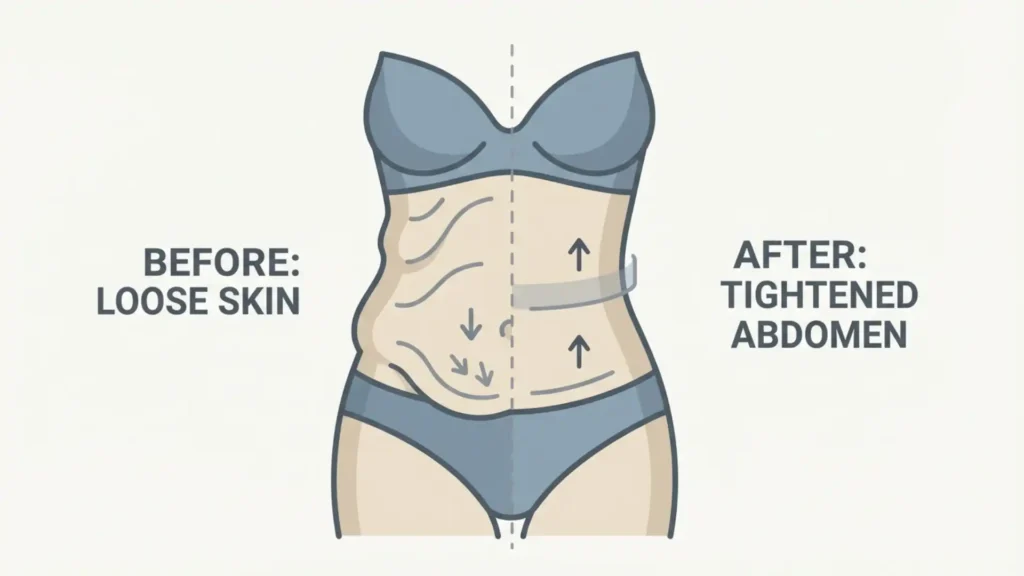
1. Abdominoplasty (tummy tuck) — the hardest recovery overall
A full tummy tuck is widely considered the hardest plastic surgery to recover from among all common cosmetic procedures. This is because it involves far more than removing excess skin. In a full abdominoplasty, the surgeon separates skin from the abdominal wall, realigns the abdominal muscles by stitching them closer together, removes fat and skin, then repositions everything and closes the wound with a hip-to-hip incision.
The muscle repair component is what makes recovery so demanding. Patients typically cannot stand upright for days or even a week after surgery, as doing so puts strain on the newly tightened abdominal wall. Many describe the pain as intense tightness, soreness, and a pulling sensation that can persist for weeks.
Patients are usually required to wear a compression garment for around six weeks, movement is significantly restricted during the early stages, and complete recovery can take three to six months. Pain is commonly rated between four and six out of ten, with many patients describing the first few days as the hardest of their lives.
2. Lower body lift — recovery over the largest surface area
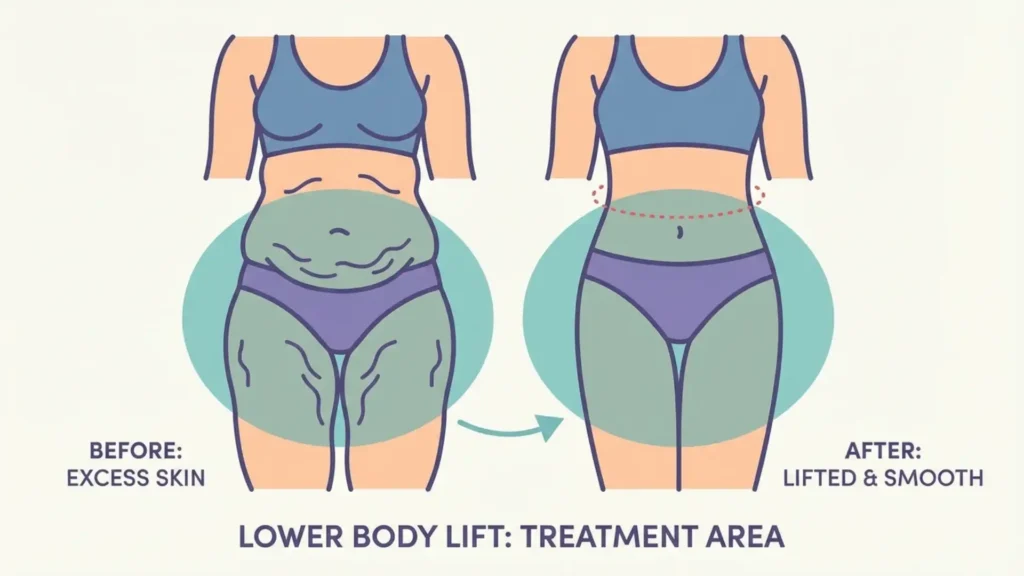
A lower body lift (also called a belt lipectomy) addresses the abdomen, outer thighs, buttocks, and hips in a single operation. It is typically performed on patients who have experienced significant weight loss and are left with large areas of loose, excess skin.
Because the procedure covers such an extensive area, recovery is exceptionally demanding. Patients can expect significant swelling, bruising, and restricted movement for weeks. Wound care is complex, and infections are a well-documented risk when incisions span large parts of the body. Full recovery can take anywhere from three to six months, and the procedure is considered more intense even than a standalone tummy tuck.
3. Mommy makeover — the challenge of combined procedures
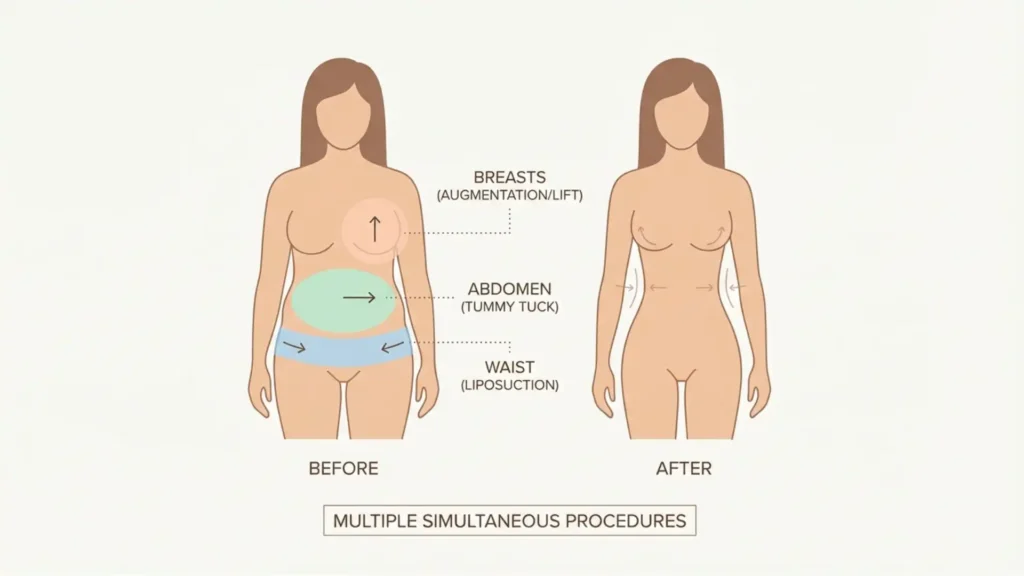
A “mommy makeover” typically combines a tummy tuck, breast surgery, and liposuction in a single surgical session. While combining procedures can reduce the number of times a patient goes under general anaesthetic, the trade-off is a significantly harder recovery.
The body is dealing with multiple healing processes simultaneously. Patients are in pain from two or more sites at once, mobility is restricted in multiple ways, and the risk of
plastic surgery complications — such as infections, seroma (fluid build-up), or delayed healing — increases when more of the body is involved. Experienced surgeons often advise separating these procedures into staged operations rather than combining them, precisely because of the recovery demands.
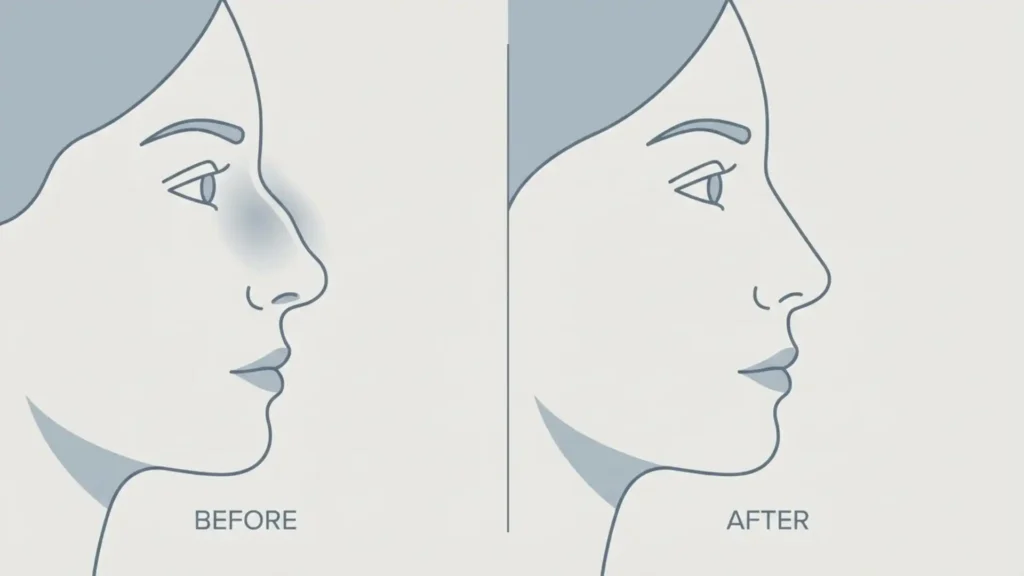
4. Rhinoplasty (nose surgery) — the longest road to a final result
Rhinoplasty is not necessarily the most painful procedure, but it earns a place among the hardest due to the exceptional length of time recovery takes before the final result is visible. Swelling after a nose job is deep within the cartilage and soft tissue structures, meaning it resolves very slowly.
Most patients see significant improvement within a few weeks, but the nose can continue to change and refine for 12 months — sometimes longer. During the early stages, nasal congestion, bruising under the eyes, and pressure are common complaints. Patients are also required to wear a nasal splint, avoid any contact sports, and sleep with their head elevated for an extended period.
Because rhinoplasty results are visible and patients have often had high expectations before surgery, dissatisfaction during the long healing phase can be emotionally difficult — even when the procedure has gone well. When plastic surgery complications arise in rhinoplasty — whether through poor surgical technique, asymmetry, breathing issues, or unsatisfactory results — patients may have grounds to pursue rhinoplasty compensation.
5. Facelift (rhytidectomy) — visible recovery in a sensitive location
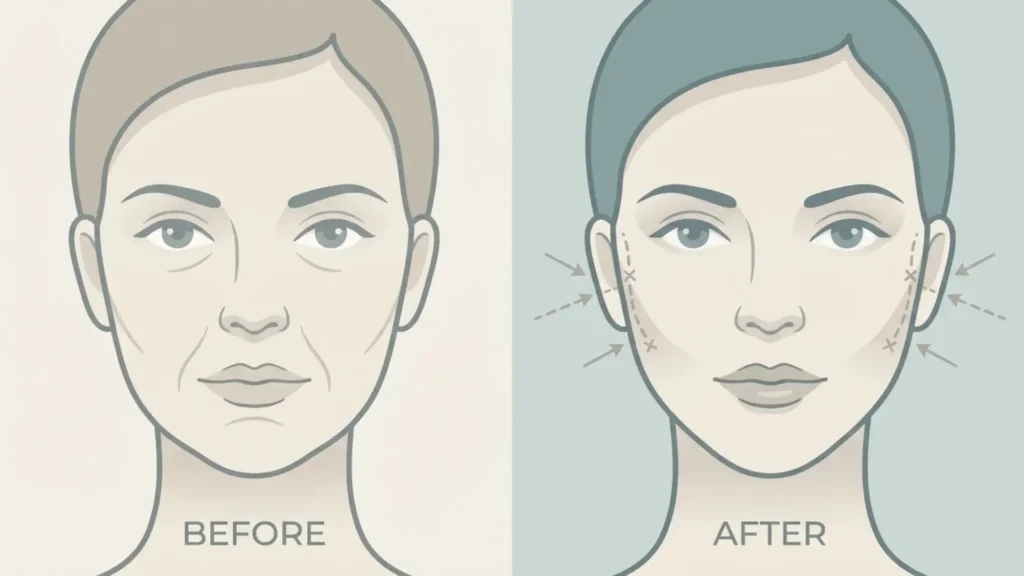
A facelift involves tightening the skin and underlying facial muscles to reduce sagging and the appearance of deep wrinkles. While many surgeons rate facelift pain between four and six out of ten, the recovery is psychologically challenging because the effects are visible on the face throughout the healing process.
Swelling, bruising, and a tight, uncomfortable sensation around the incision sites — typically near the ears and hairline — are all expected. Some patients experience numbness in parts of the face that can persist for months. The visible nature of the recovery means that going out in public is something many patients avoid for the first two to four weeks.
6. Breast augmentation and breast reduction — chest and muscle involvement
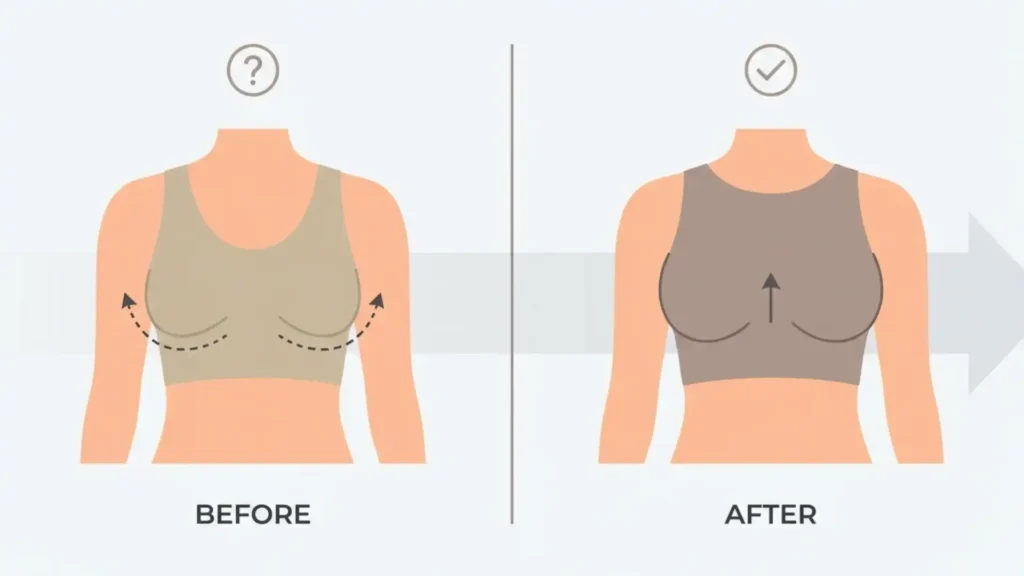
Breast augmentation and breast reduction are among the most commonly performed cosmetic procedures in the UK. Recovery from either can be surprisingly demanding — particularly when implants are placed beneath the chest muscle (submuscular placement), which causes significant muscle soreness and tightness.
Patients frequently describe a feeling of intense pressure or squeezing across the chest in the days following surgery, with limited ability to lift their arms. Recovery typically takes four to six weeks before normal activities can resume, with ongoing sensitivity in the treated area for several months.
Complications such as implant rupture, capsular contracture, infection, or altered sensation are not uncommon, and when they result from negligent surgical practice or inadequate aftercare, patients have the right to seek breast surgery compensation.
7. Extensive liposuction — bruising, fibrosis, and restriction
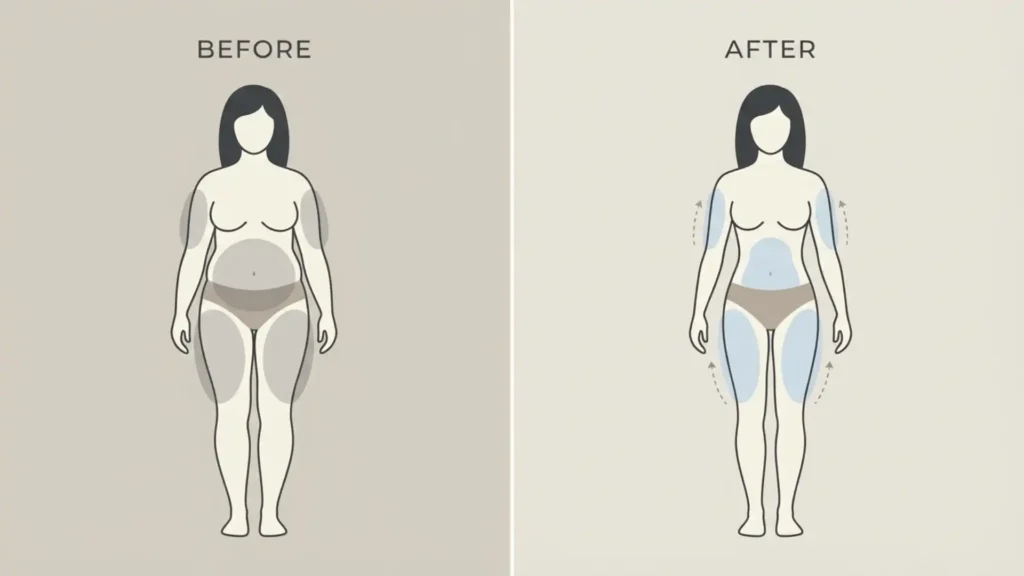
Small-volume liposuction is a relatively manageable procedure. However, large-volume liposuction — where fat is removed from multiple areas of the body in a single session — can produce a very challenging recovery.
Post-surgical bruising and swelling can be extensive, and a significant concern in liposuction recovery is the development of fibrosis: excessive connective tissue build-up that can cause hardness, lumpiness, and skin irregularities. These complications can be painful and may require specialist massage therapy to resolve. Full recovery can take up to three months, with visible bruising and discolouration sometimes persisting for weeks beyond that.
Struggling with a difficult cosmetic surgery recovery?
Some procedures involve long, painful recovery and higher complication risks — but if your experience was worse than expected or not properly explained, there may be legal options available.
Find out where you stand
What factors affect how hard your recovery will be?
Beyond the procedure itself, several personal and surgical factors can make cosmetic surgery recovery harder than the general expectation:
- Age and general health. Older patients and those with underlying health conditions often have longer recovery periods and are more susceptible to complications.
- Surgeon skill and technique. The expertise of the surgeon has a direct impact on how cleanly the procedure is performed, how well the tissue is handled, and how the wound heals.
- Adherence to aftercare. Following post-operative instructions — compression garments, rest, wound care, prescribed medication — makes a significant difference to how the recovery progresses.
- Undisclosed risk factors. If you were not properly informed about the likely recovery experience or the risks associated with your specific procedure, this is a matter that may be relevant to a potential compensation claim.
What if your cosmetic surgery recovery has gone wrong?
For many patients, plastic surgery complications are not just an inconvenience — they cause lasting physical and psychological harm. When those complications result from negligence, a lack of informed consent, or inadequate aftercare, patients in the UK have legal rights that can be exercised.
Negligence in cosmetic surgery can take many forms. A surgeon may have used poor technique, failed to properly advise you of the risks before surgery, or provided inadequate follow-up care when a problem arose. You may have been treated by someone who was not properly qualified, or at a clinic that did not meet required standards.
The NHS guidance on cosmetic procedures sets out what patients should expect from practitioners, including information about qualifications, pre-operative consultations, and informed consent. If a clinic or surgeon failed to meet these standards, it may support a negligence claim.
It is also important to understand that experiencing a difficult recovery is not in itself grounds for a claim. Cosmetic surgery recovery is inherently challenging for many of the procedures described above. What matters legally is whether the outcome you have experienced fell below the standard of care that a competent surgeon would have provided — and whether you were properly informed of the risks beforehand.
Summary: the hardest plastic surgeries to recover from
To summarise the procedures most commonly associated with the most demanding recoveries:
- Full abdominoplasty (tummy tuck): Widely regarded as the hardest plastic surgery to recover from, due to muscle repair, restricted movement, and recovery lasting up to six months.
- Lower body lift: The most extensive procedure in terms of surface area, with a particularly intense recovery and high risk of wound complications.
- Combined procedures (mommy makeover etc.): Multiple simultaneous surgeries dramatically increase the recovery burden and complication risk.
- Rhinoplasty: Not the most painful, but has one of the longest healing timelines before the final result is visible.
- Facelift, breast surgery, and extensive liposuction: All involve significant pain, restricted activity, and recovery periods of four to twelve weeks or more.
If your recovery has been significantly worse than expected, or you have experienced complications that you believe resulted from negligence or a lack of adequate care, you may have grounds to pursue a claim. We help people across the UK who have been harmed by substandard cosmetic procedures.
To speak to someone about your situation and understand whether you have a case, get in touch with our specialist team — we offer confidential advice with no obligation.
Has your cosmetic surgery recovery gone wrong?
Procedures like tummy tucks, body lifts and combined surgeries can involve complex recoveries — but complications caused by poor technique, inadequate aftercare or lack of proper advice may indicate negligence.
Our specialist solicitors can assess your situation, review your treatment, and advise whether you may have a cosmetic surgery negligence claim.