
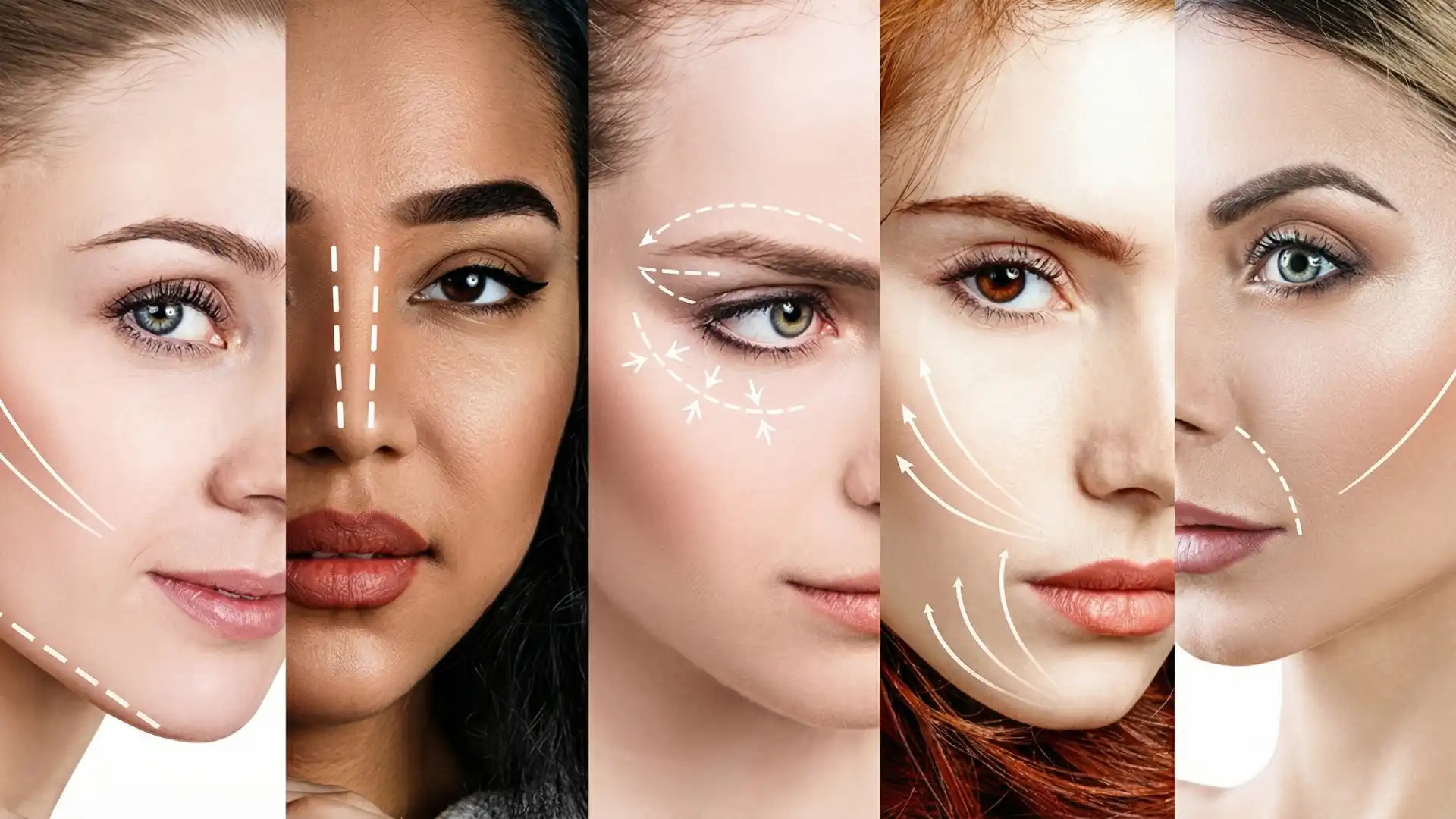
What to do instead of plastic surgery?
There are more alternatives to plastic surgery available today than at any point in history — and for many people, they deliver results that are genuinely impressive, without the recovery time, the financial commitment, or the risks that come with going under the knife. Non-surgical cosmetic treatments have advanced significantly over the past decade, and the gap between what can be achieved without surgery and what requires it has narrowed considerably.
That does not mean surgery is never the right choice. But it does mean that before committing to any surgical procedure, it is worth understanding what non-invasive cosmetic procedures can realistically achieve for your specific concern. The options range from injectables and skin resurfacing to ultrasound-based tightening and advanced skincare — and the right combination, delivered by a qualified practitioner, can produce a meaningful and natural-looking improvement without a single incision.
Why more people are exploring alternatives to plastic surgery
The shift towards non-surgical cosmetic treatments in the UK has been consistent and significant. Several factors are driving it. Cost is one — surgical procedures require theatre time, anaesthesia, specialist fees, and recovery support, all of which add up. The financial commitment of a facelift, rhinoplasty, or breast augmentation is substantial, and many people are finding that non-surgical alternatives can address their concerns at a fraction of the cost.
Risk is another. Every surgical procedure carries the possibility of complications — scarring, asymmetry, infection, anaesthesia reactions, and in some cases, outcomes that are far from what the patient expected or was promised. The consequences of cosmetic surgery going wrong can be both physically and emotionally significant, and they are far more difficult to resolve than the original concern.
Then there is recovery time. Most surgical procedures involve weeks of downtime, restrictions on activity, and a period of visible bruising or swelling that many people — particularly those in work or with caring responsibilities — simply cannot accommodate. Non-invasive cosmetic procedures typically require no downtime at all, or at most a day or two of mild redness. For those exploring alternatives to plastic surgery, this convenience factor is often as important as the clinical outcome.
Injectables: the most popular alternatives to plastic surgery for facial concerns
Injectable treatments are the most widely used non-surgical cosmetic option in the UK, and for good reason — they are versatile, relatively quick to administer, carry minimal risk when performed by a qualified practitioner, and produce results that are visible within days.
Botulinum toxin (Botox)
Botulinum toxin injections — most commonly known by the brand name Botox — are the most frequently performed non-surgical cosmetic treatment in the world. They work by temporarily relaxing the facial muscles responsible for expression lines, smoothing out wrinkles in the forehead, between the eyebrows, and around the eyes. Results typically last three to four months, after which the treatment can be repeated.
Botox is often used as an alternative to surgical facelifts for patients in the early to mid stages of visible ageing, where the concern is fine lines and dynamic wrinkles rather than significant skin laxity. It does not add volume or lift the skin — but for the right patient at the right stage, it can make a striking difference with none of the risks associated with surgery.
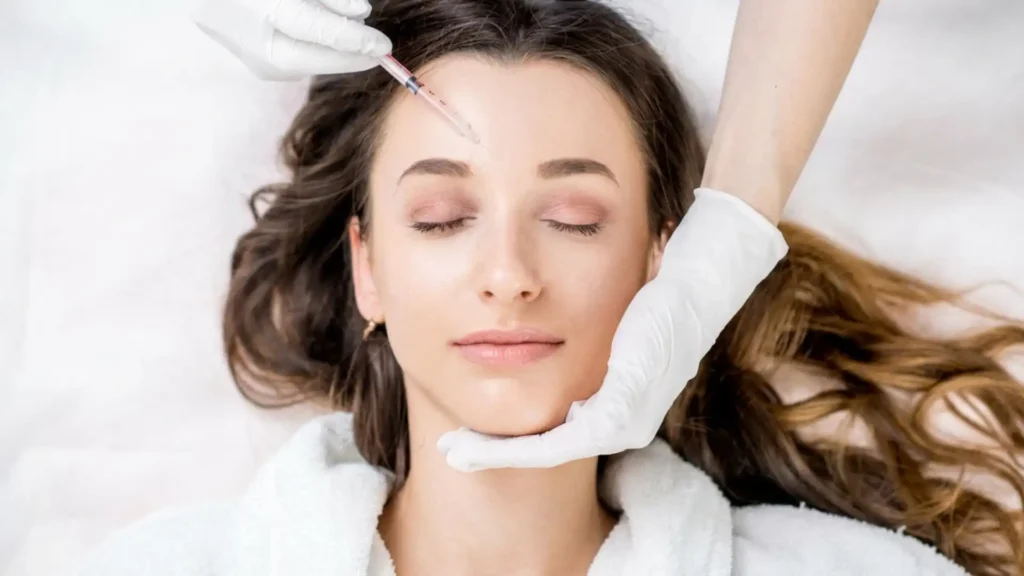
Dermal fillers
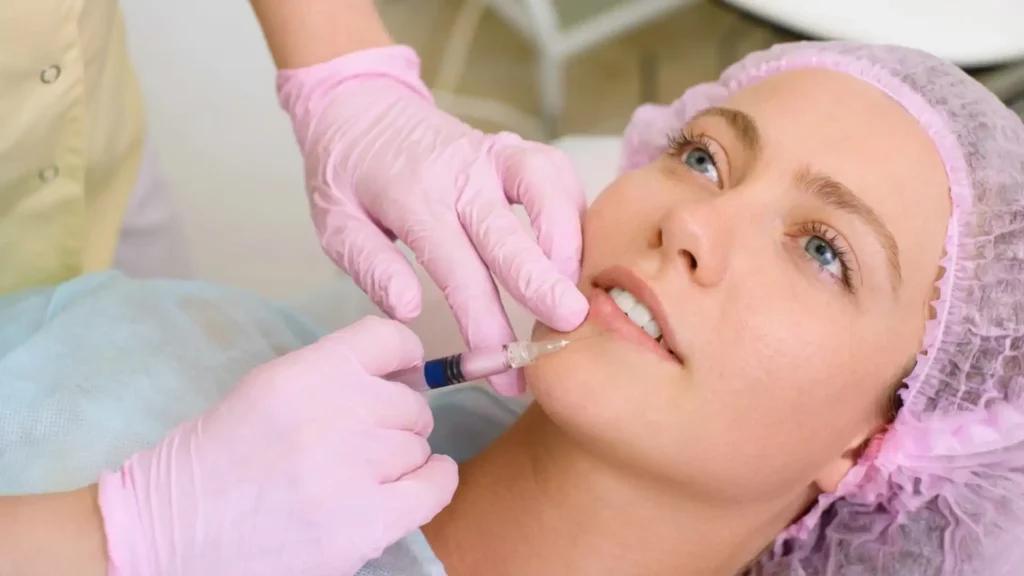
Dermal fillers are another of the most effective non-invasive cosmetic procedures for facial rejuvenation. They use hyaluronic acid — a substance that occurs naturally in the body — to restore volume to areas of the face that have become hollow or sunken with age. Fillers can plump the lips, restore fullness to the cheeks, define the jawline, and soften deep lines around the nose and mouth.
As alternatives to plastic surgery, fillers offer a key advantage: hyaluronic acid-based fillers are reversible. If the outcome is not what was hoped for, an enzyme called hyaluronidase can dissolve the filler safely. This is a significant safety consideration — something that simply is not possible with surgical augmentation. Results typically last six months to two years depending on the product used and the area treated.
Skin tightening and lifting: non-surgical cosmetic treatments that go deeper
For concerns beyond wrinkles — loose skin, loss of facial definition, jowling — there is a range of non-surgical cosmetic treatments that work at deeper levels of the skin to stimulate collagen production and achieve a measurable lifting or tightening effect.
Radiofrequency (RF) skin tightening
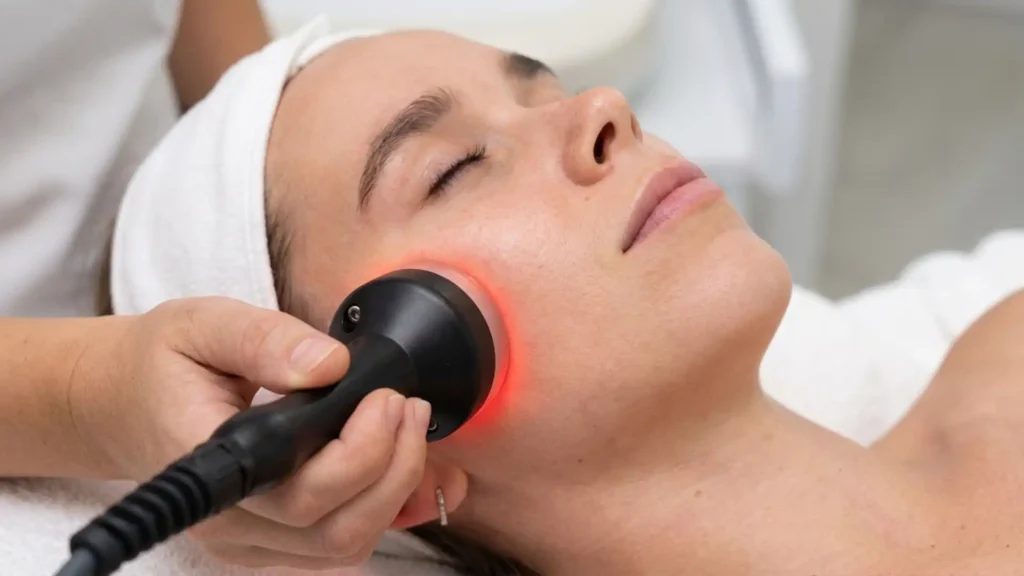
Radiofrequency treatments — including Thermage and similar devices — use controlled heat energy to stimulate collagen production in the deeper layers of the skin. The result is a gradual but noticeable tightening and firming of the skin on the face, neck, and jawline. RF treatments are one of the most commonly used non-invasive cosmetic procedures for patients who are beginning to experience skin laxity but are not yet at the stage where surgery would be indicated.
Treatment takes around an hour, requires no anaesthesia, and involves little to no downtime. Results build over several months as collagen remodelling takes effect, with the full outcome typically visible around three to six months after treatment. Repeat sessions can maintain and build on the results.
Ultherapy and HIFU (high-intensity focused ultrasound)
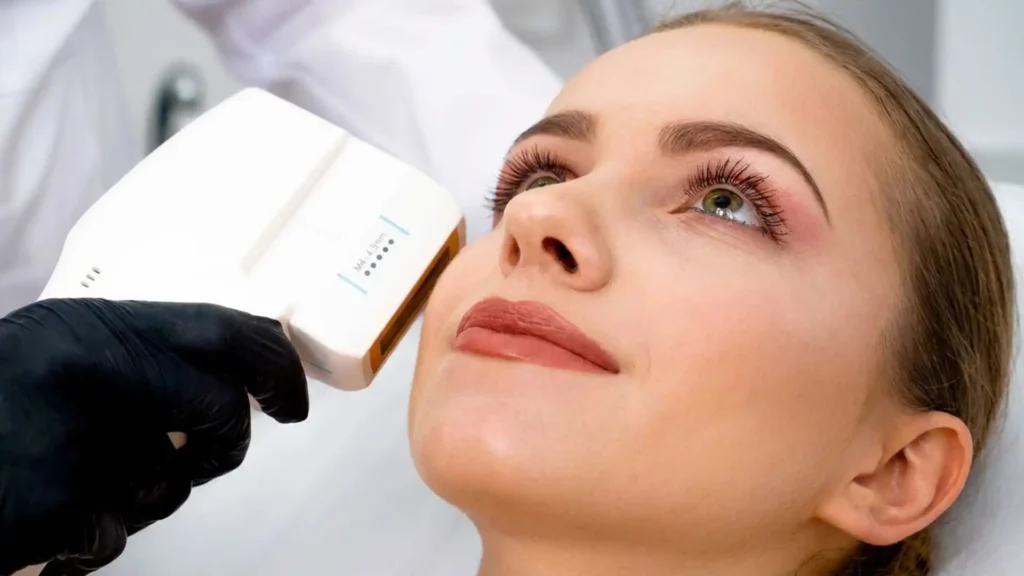
Ultherapy and HIFU treatments use focused ultrasound energy to target the deep structural layers of the skin — the same layers that a surgeon would work with in a facelift procedure. This makes them among the most clinically significant alternatives to plastic surgery for patients concerned about sagging on the lower face, neck, and brow.
The treatment stimulates the body’s own collagen and elastin production, gradually lifting and tightening the skin over a period of two to three months. It is particularly effective for the jawline, jowls, and neck — areas that are often the primary concern for patients considering facelift surgery. Results can last up to twelve months, and the procedure requires no recovery time at all.
Thread lifts
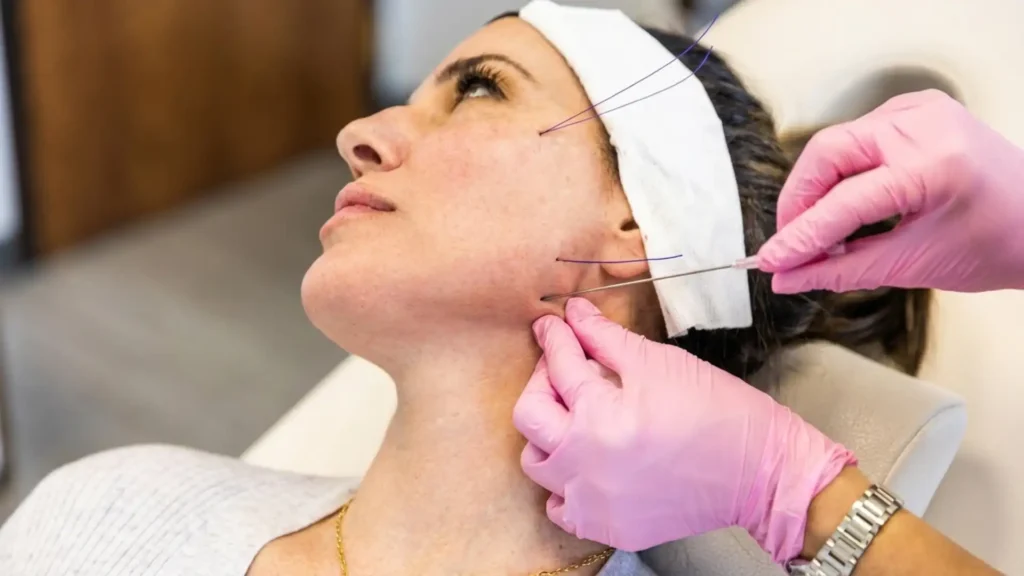
Thread lifts are a minimally invasive non-surgical cosmetic treatment that sits somewhere between a non-invasive procedure and surgery. Fine dissolvable threads are inserted beneath the skin using a needle, then gently pulled to create a subtle lifting effect. As the threads dissolve over the following months, they also stimulate collagen production, contributing to longer-term skin improvement.
Thread lifts are not appropriate for significant skin laxity — they work best as a preventative or early-intervention treatment — but for the right patient, they offer a visible lift with a very short recovery period and at considerably lower cost and risk than a surgical facelift.
Considering alternatives to plastic surgery?
Non-surgical treatments can offer real results with less risk and no recovery time, but it is important to understand what they can and cannot achieve.
Get expert guidance
Laser and light-based alternatives to plastic surgery
Laser and light-based non-invasive cosmetic procedures address a wide range of skin concerns — texture, tone, pigmentation, scarring, and fine lines — that can make a significant difference to the overall appearance of the face without any surgery being involved.
Laser skin resurfacing
Laser resurfacing is one of the most versatile alternatives to plastic surgery for improving skin quality. Fractional CO2 and erbium lasers target the outer layers of the skin with controlled energy, removing damaged or aged skin cells and stimulating the production of new collagen beneath the surface. The result is smoother, firmer, and more evenly toned skin — with improvements to sun damage, acne scarring, and fine lines that often rival what more invasive procedures can achieve.
Treatment intensity can be calibrated: lighter treatments involve minimal downtime and address surface-level concerns, while deeper resurfacing sessions produce more dramatic results but may involve a few days of redness and healing. A qualified practitioner will recommend the appropriate level based on your skin type and goals.
Intense pulsed light (IPL)
IPL therapy uses multiple wavelengths of light to treat pigmentation, redness, and sun damage without targeting a single layer of the skin. It is less intensive than laser resurfacing and requires no recovery time, making it well suited to patients who want a consistent improvement in skin tone and clarity over a series of sessions. IPL is commonly used to address the kind of skin quality concerns that might otherwise lead someone to consider more invasive treatment.
Microneedling
Microneedling is a popular non-surgical cosmetic treatment that uses tiny sterile needles to create controlled micro-injuries in the skin, triggering the body’s natural healing response and stimulating collagen and elastin production. It is effective for improving skin texture, reducing the appearance of acne scars and enlarged pores, and addressing fine lines.
Results develop gradually over several weeks, with the full effect typically visible around three months after a course of treatment. Microneedling can also be combined with radiofrequency energy (known as RF microneedling) to enhance the skin-tightening effect, making it a more powerful option for patients with mild skin laxity.
Chemical peels: effective and accessible alternatives to plastic surgery
Chemical peels are one of the most established non-invasive cosmetic procedures in aesthetic medicine, and they remain highly effective for a wide range of skin concerns. A chemical solution is applied to the skin to remove the outermost layer of damaged or ageing cells, revealing fresher, smoother skin beneath and stimulating new cell turnover.
Peels are available in varying strengths:
- Superficial peels: gentle and require no downtime; ideal for brightening the skin and improving overall radiance on a regular basis.
- Medium peels: address more noticeable concerns such as fine lines, mild scarring, and uneven pigmentation; a few days of peeling is normal.
- Deep peels: deliver the most dramatic results for significant sun damage and deeper lines; recovery is longer but the outcome can be transformative.
For patients considering resurfacing surgery or laser procedures, a series of medium chemical peels can often achieve a comparable improvement at lower cost and with more flexibility. Chemical peels are widely available from qualified aesthetic practitioners across the UK and represent one of the most accessible alternatives to plastic surgery for improving skin quality.
What surgery can’t yet be replaced — and when to think carefully
Non-surgical cosmetic treatments have come a long way, but it is important to be clear about what they cannot do. For significant skin excess — the kind that follows major weight loss or that develops with advanced ageing — non-surgical options will not produce the same result as surgery. Similarly, structural concerns such as a deviated septum, significant breast asymmetry, or conditions that require physical correction rather than surface-level improvement are likely to remain within the domain of surgery for the foreseeable future.
For everyone else — and that is the majority of people who consider cosmetic procedures — the range of non-invasive cosmetic procedures now available means that surgery is often a last resort rather than a first step. The sensible approach is to explore what can be achieved without surgery, delivered by a qualified and experienced practitioner, before committing to anything irreversible.
When surgery is being considered, understanding the risks fully — including what happens if the outcome is not what was expected, and what options exist if something goes wrong — is just as important as understanding the potential benefits. Many people who have experienced unsatisfactory outcomes from cosmetic surgery were not fully informed of the risks beforehand, or were not given adequate aftercare when complications arose. Exploring alternatives to plastic surgery first is not just about cost or convenience — it is also about making sure that any procedure you do choose to undergo is one where the risks are proportionate to the benefit.
Choosing the right alternative to plastic surgery for you
The most important step before any cosmetic procedure — surgical or non-surgical — is a thorough consultation with a qualified practitioner who can assess your specific concerns, explain what is realistically achievable, and recommend a treatment plan that is appropriate for you. The proliferation of non-surgical treatments has also, unfortunately, led to a proliferation of unqualified providers. Always check that your practitioner is appropriately trained and registered with a recognised UK professional body before proceeding.
A good practitioner will never pressure you towards a particular treatment. They will explain the options available — including the alternatives to plastic surgery that apply to your concern — discuss the likely outcomes, and give you the information you need to make a genuinely informed decision. That informed consent is not just good practice; in the UK, it is a legal and ethical requirement.
If you have already undergone a cosmetic procedure and the outcome was not what you were led to expect, or if complications arose that were not adequately disclosed or managed, understanding your rights as a patient is the next important step. Cosmetic Claims specialises in helping patients who have experienced exactly this situation — providing clear, honest guidance on whether a claim is possible and what it involves.
Not sure whether surgery is the right choice for you?
From injectables and skin tightening to laser treatments and peels, many concerns can now be treated without surgery. Understanding the risks, limitations, and realistic outcomes is essential before making any decision. Our team can help you assess your options and understand your rights if a procedure does not go as expected.