
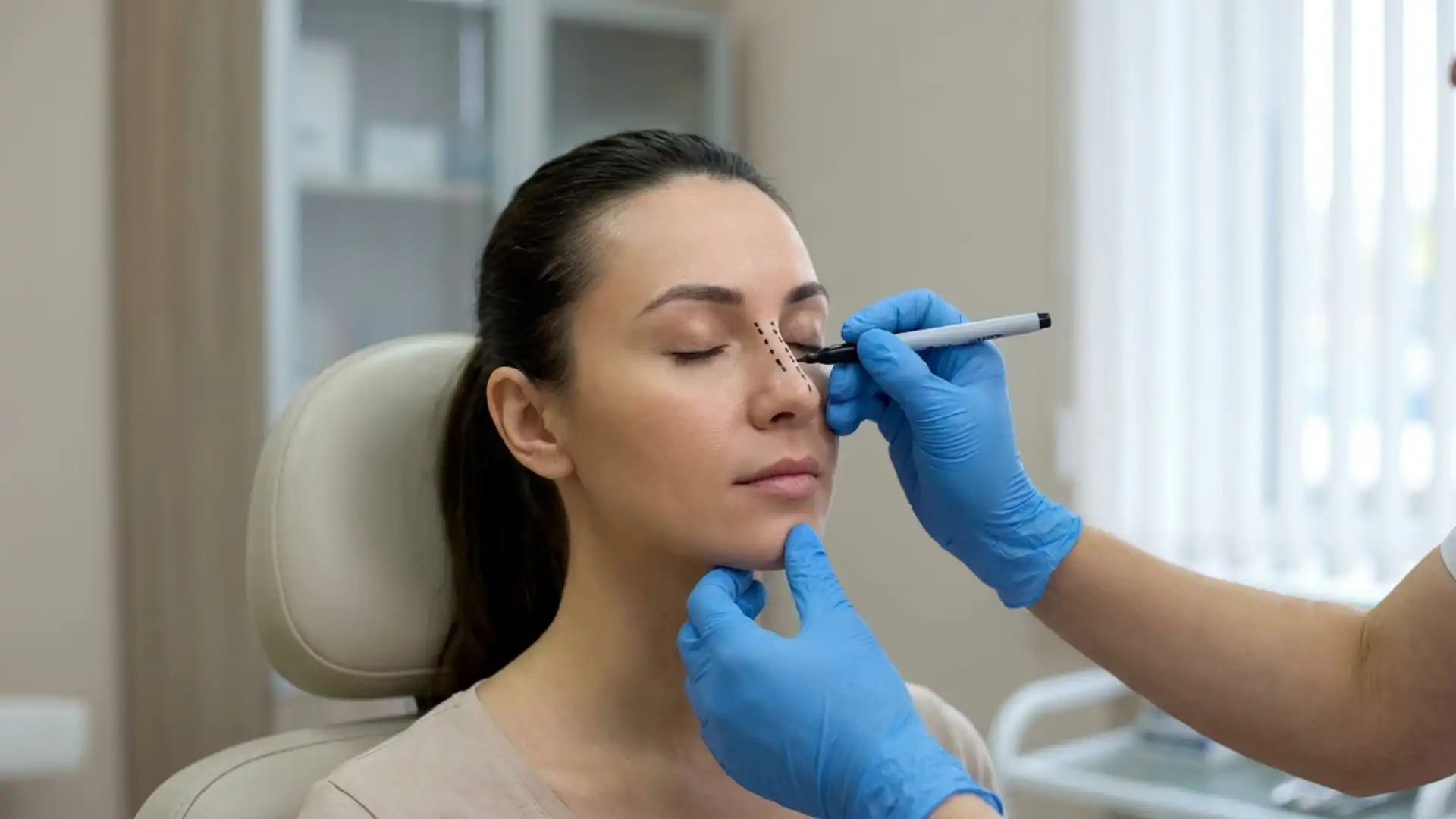
Rhinoplasty gone wrong: how to prove negligence and get compensation
Rhinoplasty gone wrong is more common than many people realise. As one of the UK’s most frequently performed cosmetic procedures, nose reshaping carries real risks — and when a surgeon fails to meet an acceptable standard of care, the results can be both physically and emotionally devastating. If you have been left with breathing difficulties, visible deformities, nerve damage or serious scarring after your procedure, you may have grounds to make a rhinoplasty negligence claim and receive compensation for the harm you have suffered.
This guide explains exactly what you need to prove, what evidence to gather and how the claims process works in the UK.
What counts as rhinoplasty negligence?
Not every unsatisfactory outcome from a nose job amounts to negligence. Rhinoplasty — like all surgery — carries inherent risks, and some complications can occur even when a surgeon has done everything correctly. The key distinction is whether your harm was avoidable and whether the care you received fell below the standard that a reasonably competent plastic surgeon would have provided.
A rhinoplasty gone wrong may be grounds for a negligence claim in the following situations:
- The risks of the procedure were not properly explained to you before you consented
- A surgical error was made, such as excessive removal of cartilage or damage to the nasal septum
- A foreign object — such as surgical packing or graft material — was left inside your nose
- Anaesthesia was administered incorrectly, causing you to experience pain or partial consciousness during surgery
- Aftercare was inadequate, leading to a preventable infection or wound breakdown
- The outcome of your surgery was drastically different from what was agreed upon beforehand
If you are unsure whether your experience falls into one of these categories, speaking to a specialist is the best first step. Our rhinoplasty compensation service page explains the types of claims we handle and the circumstances that typically indicate negligence.
How to prove negligence after a botched nose job
Proving a rhinoplasty negligence claim requires you to establish three things. These are referred to as the three pillars of clinical negligence, and all three must be demonstrated for your claim to succeed.
1. Duty of care
All medical professionals — including cosmetic surgeons working in private clinics — owe a duty of care to every patient they treat. This duty covers every stage of your treatment, from the initial consultation through to your post-operative recovery. Establishing this element is usually straightforward, as it applies in virtually every clinical setting.
2. Breach of duty
You must show that the care you received fell below the standard that would be expected from a competent professional in the same field. This is not about whether you are unhappy with the result — it is about whether the surgeon’s actions or omissions were objectively unreasonable. An independent medical expert, typically an experienced cosmetic or ENT surgeon, will assess your records and provide an opinion on whether the standard of care was breached.
3. Causation
Even if a breach of duty is established, you must also show that the breach directly caused your injury or harm. This is assessed on the balance of probabilities — meaning it must be more likely than not that the negligent treatment led to what happened to you. If your injury would have occurred regardless of any error, causation cannot be established.
Once all three elements are proven, you will have a valid rhinoplasty negligence claim. The value of that claim will then depend on the nature and severity of your injuries, as well as any financial losses you have incurred as a result.

Evidence you will need to support your claim
Building a strong case for a rhinoplasty gone wrong requires detailed, well-organised evidence. The more comprehensive your documentation, the better positioned your legal team will be to demonstrate both the breach and the harm caused. The most important pieces of evidence include:
- Medical records — including consultation notes, consent forms, surgical reports, pathology results and any post-operative correspondence
- Before and after photographs — visual evidence showing the appearance of your nose before the procedure compared to the complications or deformities that followed
- An independent medical expert report — a qualified professional not connected to your original clinic will assess whether the standard of care was adequate
- Records of corrective treatment — any further surgery, medication or rehabilitation you required as a result of the original procedure
- Evidence of financial losses — wage slips, invoices, receipts and any other documentation showing costs you have incurred because of the failed rhinoplasty
Understanding how experts are used in this process is important. Our article on how independent medical experts help cosmetic surgery claims succeed explains their role in detail and why their involvement is often pivotal to the outcome of a case.
Not sure whether your rhinoplasty outcome counts as negligence?
Surgical complications do not always mean something went wrong — but if risks were not properly explained or the result differs significantly from what was agreed, you may have a valid claim.
Get expert guidance
Common complications from a rhinoplasty gone wrong
The physical consequences of a botched nose job can range from minor cosmetic dissatisfaction to serious, long-term health issues. Some of the most commonly reported complications that form the basis of a rhinoplasty negligence claim include:
- Breathing difficulties or obstruction caused by structural damage during surgery
- Collapse of the nasal bridge or tip due to excessive removal of cartilage
- Nerve damage resulting in permanent numbness or an altered sense of smell and taste
- Severe or disfiguring facial scarring
- Infections following surgery, particularly where hygiene standards were inadequate
- Psychological harm, including anxiety, depression and post-traumatic stress disorder
Complications are not limited to surgery performed in the UK. If you underwent rhinoplasty abroad and returned with complications, it may still be possible to pursue cosmetic surgery compensation depending on where the procedure took place and the legal options available in that jurisdiction.
For a wider look at what can go wrong with nasal procedures, our guide on common rhinoplasty complications covers the full range of issues patients experience and what they may indicate.
How much compensation can you claim?
There is no fixed payout for a rhinoplasty negligence claim. Every case is assessed individually, and the amount you receive will depend on the severity of your injuries, the impact on your daily life and any financial losses you have sustained. That said, legal professionals often refer to the Judicial College Guidelines (JCG) for indicative compensation ranges.
As a general guide, facial disfigurement involving very severe scarring can attract awards between approximately £36,000 and £118,000. Fractures of the nose requiring multiple operations may fall between roughly £13,000 and £28,000. Where a botched rhinoplasty results in a total loss of smell, the JCG suggests figures in the region of £30,000 to £40,000.
In addition to these general damages — which cover pain, suffering and loss of quality of life — you may also be entitled to special damages. These are intended to reimburse you for out-of-pocket costs caused by the negligence, and can include:
- The cost of corrective rhinoplasty surgery or revision procedures
- Private medical treatment, prescriptions and specialist consultations
- Therapy and counselling for psychological harm
- Lost earnings if you were unable to work during your recovery
- Travel costs to and from additional medical appointments
These figures can vary significantly depending on your circumstances. For a clearer picture of what your specific situation may be worth, speaking to a specialist is the most reliable route.
Time limits for making a rhinoplasty negligence claim
In the UK, most cosmetic surgery negligence claims are subject to a three-year time limit, as set out in the Limitation Act 1980. This period generally runs from the date of the negligent procedure, or from the date you became aware — or could reasonably have become aware — that your injury was caused by negligence.
There are some exceptions to this rule. If the person affected was under 18 at the time of the procedure, the three-year period does not begin until their 18th birthday. If a claimant lacks the mental capacity to bring a claim themselves, no time limit applies while that incapacity continues.
Starting your claim as early as possible is always advisable. Evidence stays fresh, medical records are more readily available and witnesses are easier to trace. Delaying until the last moment risks complications in gathering what is needed to build a strong case.
Making a rhinoplasty negligence claim on a no win, no fee basis
Many people who have experienced a rhinoplasty gone wrong are understandably cautious about the potential cost of pursuing a claim. The good news is that cosmetic surgery compensation claims are commonly handled under a Conditional Fee Agreement (CFA) — more widely known as no win, no fee.
Under this arrangement, you pay nothing upfront and incur no ongoing legal fees during the claims process. If your claim is unsuccessful, you owe nothing to your solicitor. If it succeeds, a success fee is deducted from your compensation — but this percentage is capped by law, so the majority of your award remains yours to keep.
This structure means that anyone who has been harmed by surgical negligence can seek justice without having to worry about the financial burden of the legal process. Understanding how the process works from start to finish can help remove a great deal of uncertainty. Our guide to how the claims process works sets out each step clearly so you know what to expect at every stage.
What to do if your rhinoplasty has gone wrong
If you believe your rhinoplasty gone wrong may be the result of negligence, there are some practical steps you can take straight away to protect your position:
- Seek medical attention for any ongoing symptoms or complications — your health is the immediate priority
- Request copies of all your medical records from the clinic or hospital as soon as possible
- Write down everything you remember about your experience, including dates, names and what was said at each appointment
- Keep a record of your symptoms, how they affect your daily life and any financial costs you have incurred
- Take photographs of the complications, particularly if they are visible
- Contact a specialist legal team to assess whether you have a valid rhinoplasty negligence claim
It is also worth reporting the matter to the clinic or surgeon in writing. While this is not a legal requirement, it creates a formal record and may prompt the clinic to respond with information that becomes relevant to your case.
Frequently asked questions
Can I claim if my rhinoplasty was performed abroad?
It depends on where the procedure took place and the jurisdiction in which you are seeking to claim. In some cases, it is possible to pursue cosmetic surgery compensation for procedures carried out overseas. Speaking to a specialist about your specific circumstances is the most reliable way to understand your options.
What if I signed a consent form before my rhinoplasty?
Signing a consent form does not prevent you from making a rhinoplasty negligence claim. A consent form acknowledges that you were informed of the known risks associated with the procedure. However, if the surgeon failed to explain those risks adequately, made errors during the surgery or delivered an outcome that bore no resemblance to what was discussed, a consent form will not necessarily protect them from a negligence claim.
How long will a rhinoplasty negligence claim take?
There is no fixed timeframe. Straightforward cases with clear liability may resolve within several months, while more complex claims — particularly those where the surgeon contests responsibility — can take considerably longer. Rhinoplasty negligence cases typically settle within two to five years, though every case is different.
Do I need to go to court?
The majority of medical negligence claims, including those involving rhinoplasty gone wrong, are settled out of court through negotiation. Going to trial is the exception rather than the rule. Your legal team will always seek the best possible outcome without the need for court proceedings wherever that is achievable.
Further guidance
For independent information on cosmetic surgery standards and what patients should expect before, during and after procedures, the British Association of Aesthetic Plastic Surgeons (BAAPS) provides reliable guidance for patients considering or recovering from rhinoplasty.
Has your rhinoplasty gone wrong?
If your surgery left you with breathing problems, visible deformity, nerve damage or unexpected complications, you may have grounds to make a rhinoplasty negligence claim.
Our specialist team can assess what happened, review your evidence and explain whether you could be entitled to cosmetic surgery compensation.