
Are Turkey teeth a good idea?
Turkey teeth have become one of the most talked-about trends in cosmetic dentistry. Thousands of people from the UK travel to Turkey every year hoping to return with a picture-perfect smile — and at a fraction of the price they would pay at home. But is it really as simple as it sounds?
The short answer is: not always. For some people, the experience is fine. For many others, it can lead to serious complications, lasting pain, and costs that far exceed what they saved in the first place. Before you book a flight, it is worth understanding exactly what Turkey teeth involve — and what can go wrong.
What are Turkey teeth?
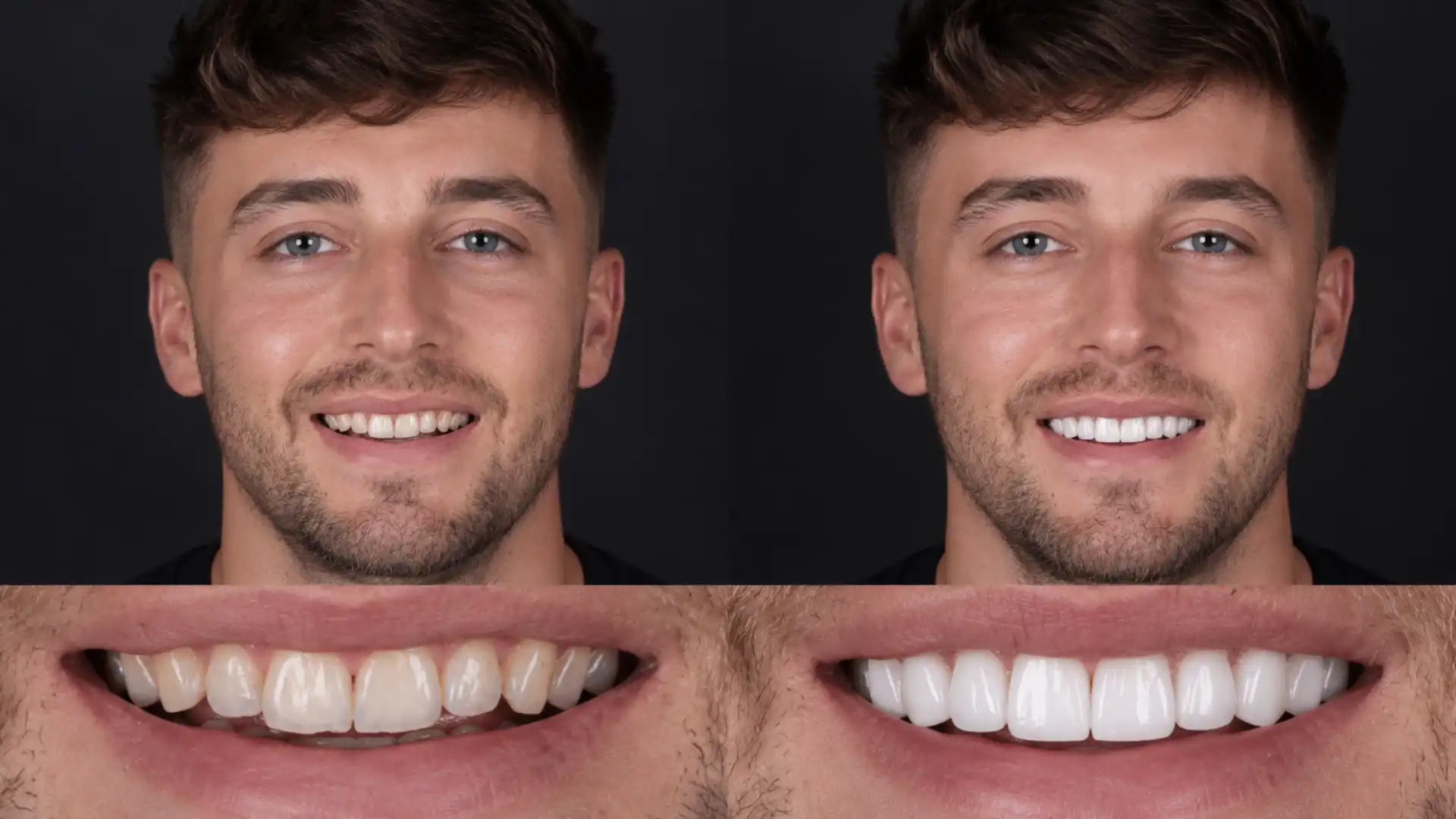
“Turkey teeth” is the popular term for the trend of travelling to Turkey for cheap cosmetic dental procedures — usually crowns fitted over natural teeth that have been heavily filed down. The phrase went viral after it was popularised on social media and reality TV shows, with the TikTok hashtag #TurkeyTeeth accumulating well over 130 million views.
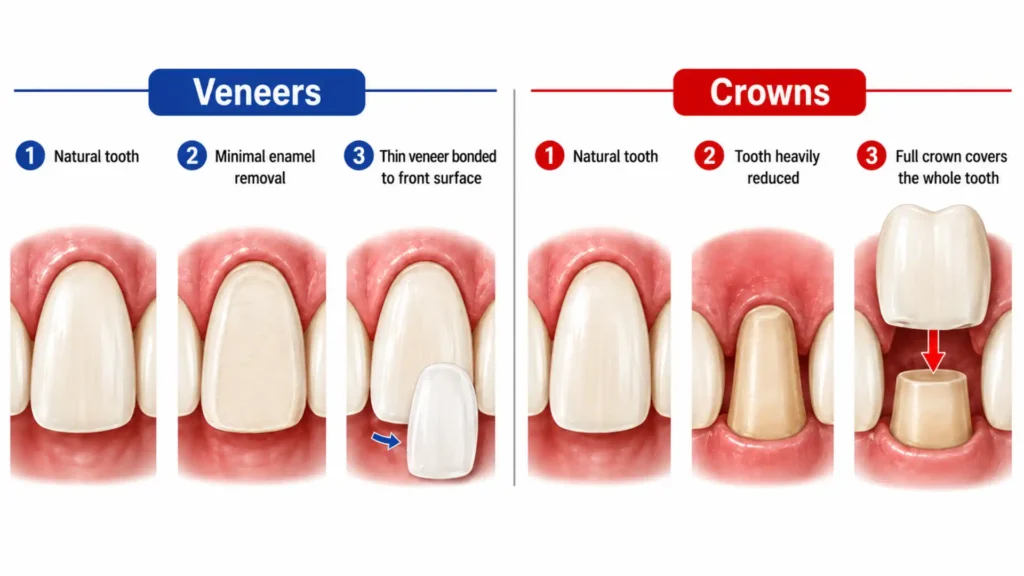
Many people who travel believing they are getting veneers actually receive dental crowns. These are two very different treatments. Veneers are thin shells bonded to the front of a tooth, requiring only a small amount of enamel to be removed. Crowns are far more invasive — up to 60–70% of the natural tooth is filed away, reducing it to a peg before a cap is glued on top.
That distinction matters enormously, because once your healthy tooth structure is removed, it cannot grow back. You are then committed to a lifetime of maintaining those crowns — and everything that comes with them.
Why do people choose dental treatment abroad?
The appeal of dental treatment abroad is largely about cost. Private cosmetic dentistry in the UK can be expensive, and Turkey offers procedures at prices that are often 60–70% lower. When you factor in flights and a few days in the sun, it still appears to work out significantly cheaper — and the all-inclusive packages offered by many Turkish clinics make the logistics feel straightforward.
Waiting times are also a factor. UK dental practices can have lengthy queues for cosmetic work, while Turkish clinics often offer appointments within days of initial contact. The promise of a new smile in a week, combined with a holiday-like atmosphere, has made this route seem very appealing — particularly to younger people who have been influenced by what they see on social media.
But the dental tourism risks that rarely appear in Instagram posts are worth understanding clearly before making a decision.
The real dental tourism risks you need to know
The problems associated with Turkey teeth are well-documented, and the British Dental Association (BDA) has raised serious concerns on multiple occasions. Here is what regularly happens to patients who return home with complications.
Irreversible damage to healthy teeth
The most significant issue is that the tooth preparation required for dental crowns is permanent and irreversible. Many people travelling to Turkey for cosmetic improvements have perfectly healthy teeth — yet they are having 60–70% of them filed away to accommodate crowns. UK dentists would typically not carry out this level of tooth reduction on healthy teeth. In fact, some have stated they would risk losing their licence if they performed such procedures without genuine clinical need.
High failure and complication rates
Research suggests that roughly a quarter of all crowns may need to be removed within 15 years. Patients commonly experience extreme sensitivity, infected gums, abscesses, and pain that can make eating or drinking difficult. In severe cases — as documented extensively in a BBC investigation — patients have required root canal treatment, faced the prospect of dentures, or been left unable to eat properly for months.
Expensive remedial work back home
The cost equation often falls apart once corrective treatment is factored in. A BBC survey of 1,000 UK dentists found that nearly one in five reported patients needing remedial work costing over £5,000 after returning from Turkey. Some of that treatment was provided by the NHS, but cosmetic complications are generally not covered — meaning patients face significant private bills on top of what they originally spent.
No follow-up care or legal protection
If something goes wrong after you return home, getting help from the original Turkish clinic is difficult. There is no equivalent of the BDA in Turkey to hold clinics to account, and UK legal protections that would apply to negligent treatment carried out here do not automatically extend to procedures performed abroad. Many UK dentists are also reluctant to take on patients whose complicated dental histories result from botched work overseas.
Thinking about getting Turkey teeth?
Cheap dental treatment abroad can look appealing, but crowns, veneers, aftercare, travel risks,
and the cost of fixing complications back in the UK all need to be understood before you commit.
What the experts say about Turkey teeth
Dental professionals in the UK have been consistent and clear in their warnings. The BDA has repeatedly cautioned patients to be wary of a hard sell when it comes to cosmetic dental work abroad, noting that complex procedures typically require detailed preparation and multiple follow-up visits — not a single trip squeezed into a holiday.
Professor Damien Walmsley, writing on the BDA website, noted that treatment advertised overseas might seem cheaper at first glance, but patients should consider what value they place on safe treatment and their long-term health. The real cost — physical, financial, and emotional — only becomes clear when things go wrong.
The British Academy of Cosmetic Dentistry has also published warnings about the high risks of dental tourism, yet thousands of people continue to travel each year, often driven by compelling social media content that rarely shows what happens six months down the line.
Crowns vs veneers — what is the difference?
Understanding the difference between these two procedures is essential when considering Turkey teeth.
- Veneers: thin porcelain or composite shells bonded to the front surface of the tooth. They require the removal of only a small amount of enamel — around half a millimetre — and are considered a relatively low-risk cosmetic treatment when performed correctly.
- Crowns: caps that cover the entire visible tooth. They require 60–70% of the natural tooth to be filed away. They are clinically appropriate when a tooth is severely damaged or decayed — not for cosmetic improvements on healthy teeth.
- Composite bonding: a non-invasive alternative where tooth-coloured resin is shaped and bonded to the tooth surface with no filing required. Often a sensible option for mild cosmetic concerns.
- Orthodontic treatment: for alignment issues, options like clear aligners or traditional braces address the underlying position of the teeth rather than masking them with caps.
Many patients who travel to Turkey expecting veneers are given crowns without being clearly informed of the difference. If you are considering cosmetic dental treatment, always get a detailed written treatment plan explaining exactly what procedure is being performed and why.
What to do if your Turkey teeth have gone wrong
If you have returned from Turkey with complications — ongoing pain, infected gums, crowns that have failed, or problems you were not warned about — you are not alone, and you may have options.
First, see a UK dentist as soon as possible to get an assessment of the damage and begin any urgent treatment. If you believe the care you received fell below an acceptable standard and caused you avoidable harm, it may be worth exploring whether you have grounds for a dental surgery compensation claim. UK patients who have experienced dental negligence — whether at home or abroad — may be entitled to claim for pain and suffering, corrective treatment costs, and other financial losses.
It is also worth knowing that the same principles apply to other cosmetic procedures. Patients who have had problems after treatments in Turkey and other overseas destinations are among those who have sought support through our cosmetic surgery abroad destinations guide, which covers what UK patients need to know before and after travelling for any cosmetic treatment.
Are there safer alternatives to Turkey teeth in the UK?
Yes — and in many cases, the gap in price is narrower than people assume, once you factor in the potential cost of remedial work and ongoing complications.
UK cosmetic dentists are regulated by the General Dental Council and must meet professional standards that Turkish clinics are not subject to. If something goes wrong with treatment carried out in the UK, you have clear legal protections and access to a regulated complaints process. Many practices also offer payment plans that make cosmetic dentistry more accessible without the need to travel.
Composite bonding, orthodontic treatment, and high-quality porcelain veneers fitted by experienced UK practitioners can all achieve impressive cosmetic results — without the permanent, irreversible loss of healthy tooth structure that comes with crowns.
For patients already in the UK and considering cosmetic dental work, the British Dental Association’s patient guidance offers independent advice on choosing a dentist and understanding your treatment options — worth reading before making any decision.
The bottom line on Turkey teeth
Turkey teeth are not automatically a disaster — some people have a straightforward experience and are happy with the results. But the risks are real, well-documented, and serious enough that dental professionals across the UK consistently advise against it.
The key problems are the irreversible nature of the tooth preparation, the high rate of complications, the difficulty of getting follow-up care once you return home, and the potentially significant cost of corrective treatment. When you add all of that up, the upfront saving can quickly disappear.
If you are unhappy with your teeth, it is absolutely worth exploring what can be done. But the best first step is a consultation with a registered UK dentist who can explain your genuine options — not a social media post or an Instagram clinic offering a package deal.
And if you have already had Turkey teeth and things have gone wrong, do not simply accept it as the cost of a bad decision. Depending on what happened, you may have a right to compensation. Our team at Cosmetic Claims helps patients understand their options after dental treatment has gone wrong — you can learn more about how the claims process works on our website.
Have your Turkey teeth gone wrong?
If you returned from Turkey with ongoing pain, infected gums, failed crowns, unexpected costs,
or treatment that was not properly explained, you may still have options. Our specialist team
can review what happened and explain whether you could make a claim for dental negligence or
cosmetic dentistry compensation.