
What happens if cosmetic surgery abroad goes wrong? Legal and medical options for UK patients
Dealing with cosmetic surgery abroad gone wrong can leave you trying to solve two problems at once. If your cosmetic surgery abroad hasn’t gone the way you were promised, the most useful thing you can do right now is separate those problems: getting the right medical care, and understanding what legal options are actually open to you. They don’t have to be dealt with in the same conversation, and the medical one comes first.
This guide sets out both, in order — what to do in the days immediately after a complication, and the realistic legal routes UK patients can pursue when the clinic responsible is on the other side of a border.
Cosmetic surgery abroad gone wrong: getting the right medical help
When to seek emergency care
Some symptoms need urgent attention regardless of where the surgery took place: heavy or worsening bleeding, signs of serious infection such as fever, spreading redness or discharge, sudden severe pain, breathing difficulties, or leg swelling and pain that could indicate deep vein thrombosis, particularly if you’ve flown home recently.
If you experience any of these, go to A&E or call 999 rather than waiting to hear back from the overseas clinic.
What the NHS will and won’t do
The NHS will treat a genuine medical emergency regardless of where or why the original procedure happened. What it is not funded to do is correct a disappointing cosmetic result that isn’t life-threatening — that’s generally treated as elective work, which patients have to pay for privately if they want it fixed.
Reporting has linked overseas cosmetic complications to significant costs falling on the NHS each year where emergency or reconstructive treatment is genuinely required, but routine correction of a poor cosmetic outcome sits outside that.
See your GP even if it doesn’t feel urgent
If you’re not in an emergency situation but something doesn’t feel right, book a GP appointment as soon as you can. This does two things: it gets a professional opinion on what’s actually happening to your body, and it creates a UK medical record of your symptoms and their timing — something that matters a great deal if you go on to seek advice about a claim.
For anyone dealing with a cosmetic surgery abroad gone wrong situation, having that early medical record can also help establish when your symptoms first appeared and what treatment you needed afterwards.

Start building your evidence file now
Evidence is easiest to gather while everything is fresh, and much harder to reconstruct later. Photograph your symptoms regularly, keep every message and email exchanged with the clinic, and hold on to your consent forms, pre-operative paperwork, and any discharge notes — translating them if they weren’t provided in English.
If a cosmetic surgery abroad gone wrong case later needs to be reviewed, this evidence can help show what treatment was promised, what actually happened and how the clinic responded when problems developed.
Our guide on what evidence you need to support a cosmetic surgery claim sets out what to keep and why it matters.
Useful evidence to keep:
- Photographs showing your symptoms or complications over time.
- Emails, messages and other correspondence with the overseas clinic.
- Consent forms and pre-operative paperwork.
- Discharge notes and treatment records.
- Records of GP, hospital or corrective treatment received in the UK.

Why taking action against the clinic abroad is rarely straightforward
It’s worth understanding this early, because it shapes everything else. Suing an overseas clinic directly means engaging with another country’s legal system, under its own standards of care and its own time limits, often in a language you don’t speak and without a lawyer who is easily reachable.
For most patients this isn’t a realistic option on its own, which is why the routes below — all rooted in UK law — matter so much.
When cosmetic surgery abroad gone wrong involves different countries, businesses or payment arrangements, identifying exactly who was involved can be just as important as understanding what happened medically.
Cosmetic surgery abroad gone wrong: legal routes UK patients can use
If you booked it as part of a package
If your surgery was sold to you together with flights and accommodation, for one combined price, it may fall under the Package Travel and Linked Travel Arrangements Regulations 2018. Under these Regulations, the UK-based organiser of the package can be held responsible for poor performance of any part of it — including, potentially, substandard treatment — even though the treatment itself happened abroad.
Whether this applies depends on exactly how your trip was booked and sold, so it’s worth having the details reviewed rather than ruling it out yourself.
If you paid by credit card
Section 75 of the Consumer Credit Act 1974 makes your credit card provider jointly responsible with the supplier for purchases costing between £100 and £30,000, where there’s been a breach of contract or misrepresentation — and this can apply even if you only put part of the cost on the card.
This protection has traditionally been used for everyday purchases and package holidays, but a recent High Court case has indicated it can extend to privately arranged medical and dental treatment paid for on a credit card, which is a significant and still-developing area.
If any part of your procedure was paid by credit card, it’s worth having this checked rather than assumed either way. In a cosmetic surgery abroad gone wrong case, the way you paid can therefore be relevant when the available options are assessed.
If a UK-based party was involved in your care
Sometimes a UK clinic, agency, or practitioner is involved somewhere in the chain — arranging the referral, providing pre-operative advice, or carrying out follow-up or corrective treatment once you’re home.
If that UK-based care itself fell below an acceptable standard, that element can potentially form the basis of a negligence claim under UK law, separate from whatever happened at the original overseas clinic.
This is one of the more common ways UK patients end up with a viable claim connected to treatment abroad.
If your case involves breast surgery, dental treatment, or rhinoplasty, those pages set out what a claim typically covers.
Travel insurance and the clinic’s own guarantees
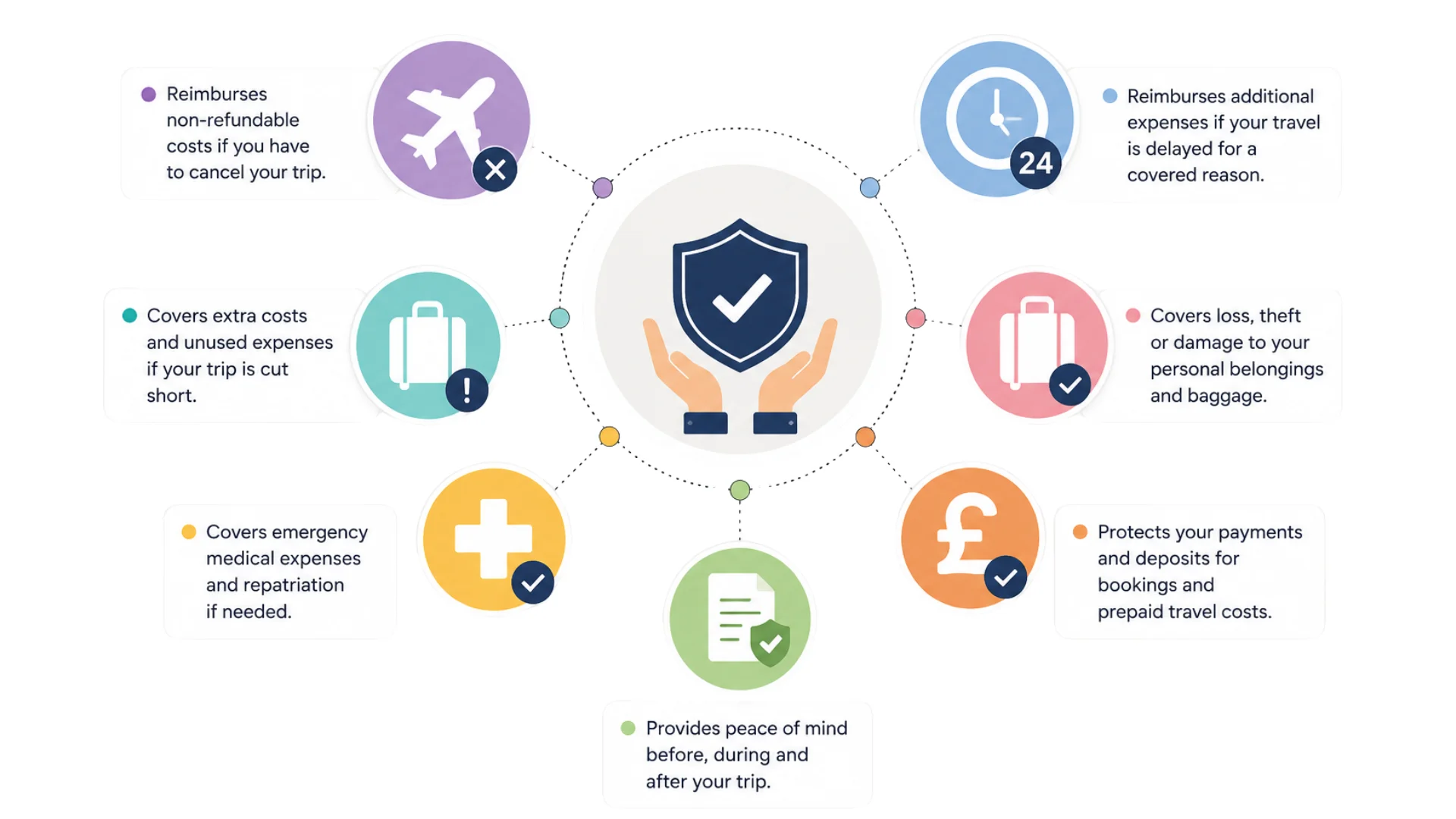
Standard travel insurance is very unlikely to cover a planned procedure or its complications, and clinic “guarantees” of free revision work are only useful if you can realistically travel back to use them.
We’ve covered this in more detail in our guide to insurance and refunds for cosmetic surgery abroad, including what to check with your provider.
Not sure which of these applies to you?
Every case is different, and it’s common to have grounds for a claim without realising it. Our team reviews the details — how you paid, how you booked, and who was involved in your care — and gives you an honest answer, on a No Win, No Fee basis.
If you’re dealing with cosmetic surgery abroad gone wrong, you can start by telling us what happened and how the treatment was arranged.
Reporting the clinic
Reporting a problem doesn’t usually lead to compensation on its own, but it can still be worthwhile.
If you were misled by advertising before you booked, the Advertising Standards Authority can investigate misleading claims made to UK consumers.
If the clinic is part of a wider group with a UK presence, a formal written complaint creates a paper trail that may support a later claim. Neither of these replaces specialist legal advice, but both are worth doing alongside it.
How long do you have to act?
For claims connected to UK-based negligence — including corrective treatment carried out here — the standard limitation period is three years from the date of the negligence, or from when you first realised something had gone wrong, whichever is later.
Package Travel Regulations and Section 75 claims each have their own separate time limits and procedures, and claims against an overseas party directly are governed by that country’s own rules.
The practical message is the same across all of them: the earlier you get advice, the more options tend to still be open.
Time limits are particularly important in a cosmetic surgery abroad gone wrong situation because more than one potential legal route may need to be considered.
If you’ve had corrective treatment in the UK, that matters too
Many patients only think to seek advice once they’ve already paid privately to have a botched result corrected here.
That corrective treatment, and the surgeon who assessed what had gone wrong, can become important evidence in its own right — so it’s worth mentioning during any initial consultation, even if it feels like a separate issue.
Where cosmetic surgery abroad gone wrong has resulted in further UK treatment, keep the records, invoices and correspondence connected with that care as part of your evidence file.
Frequently asked questions
Will the NHS ever pay for corrective surgery after treatment abroad?
Only where the situation is a genuine medical emergency or presents a serious ongoing health risk. Improving on a disappointing cosmetic outcome that isn’t dangerous is treated as elective, private work.
Can I still claim if I paid by debit card rather than credit card?
Section 75 doesn’t apply to debit card payments, but you may still be able to request a chargeback through your bank, and the other routes described above — package protection or UK-based negligence — aren’t affected by how you paid.
What if I can’t remember exactly what I signed before the procedure?
That’s common, and it isn’t a reason not to get advice. A solicitor can request your records directly from the clinic as part of building your case.
What should I do first if my cosmetic surgery abroad has gone wrong?
Medical care comes first. If you have symptoms that could indicate a serious complication, seek urgent medical attention. If the situation isn’t an emergency, arrange a GP appointment and start keeping your medical records, photographs and correspondence together.
Once your immediate health needs have been addressed, the circumstances surrounding the cosmetic surgery abroad gone wrong can be reviewed to identify whether any legal options may be available.
Further information
For more information on treatment abroad and what UK patients should consider, see PHIN’s guidance on having medical or cosmetic treatment abroad.
Talk to us about what happened
If your cosmetic surgery abroad hasn’t gone to plan, we can look at how you booked it, how you paid, and what care you’ve had since, and explain honestly whether you have grounds for a claim.
If you’re dealing with cosmetic surgery abroad gone wrong, there’s no cost and no pressure to proceed. You can start by telling us what happened.