
How to take 20 years off your face
Wondering how to take 20 years off your face without drastic measures? You are not alone. Millions of people across the UK are looking for practical, evidence-backed ways to restore a fresher, more youthful appearance — and the good news is that a great deal is achievable through a combination of smart skincare, the right anti-ageing treatments, and a few targeted lifestyle changes. Whether you are starting early or catching up later, this guide covers everything you need to know.
Why our faces age faster than they should
Before looking at solutions, it helps to understand what is actually happening to your skin. Ageing falls into two categories: intrinsic ageing, which is driven by genetics and the natural passage of time, and extrinsic ageing, which is caused by external factors that we can influence. Dermatologists consistently point to UV exposure as the single biggest driver of premature skin ageing, responsible for the vast majority of wrinkles, pigmentation and loss of elasticity that appear before their time.
Other external contributors include smoking, poor diet, chronic stress, inadequate sleep and repeated facial expressions. The encouraging thing is that these are all largely within your control — which means that by addressing them strategically, the results can be genuinely transformative.
Build a daily skincare routine that actually works
A consistent, well-chosen skincare routine is the foundation of younger-looking skin at any age. You do not need a ten-step process — but a few key products, used daily, will make a noticeable difference over time.
Sunscreen: the most powerful anti-ageing step
If you only do one thing, make it this. Applying a broad-spectrum SPF 30 or higher every single morning — even on overcast days — is the most well-supported step you can take to protect younger-looking skin. UV rays degrade collagen, cause pigmentation, and break down the structural integrity of the skin over years. Broad-spectrum sunscreen blocks both UVA and UVB rays and should be reapplied if you are spending time outdoors.
Retinoids: the gold-standard ingredient for skin renewal
Retinoids — which include both prescription tretinoin and over-the-counter retinol — are among the most studied and effective ingredients in skincare. They work by accelerating cell turnover, stimulating collagen production, and reducing the appearance of fine lines and uneven pigmentation. Starting with a lower-strength retinol a few nights a week and building up gradually is the most reliable approach to avoiding irritation.
Vitamin C and hyaluronic acid: daily support for skin health
A Vitamin C serum used in the morning helps neutralise free radical damage caused by pollution and sun exposure, and can visibly brighten the complexion over time. Hyaluronic acid, meanwhile, is a humectant that draws moisture into the skin, making it look plumper and smoother. Research suggests that moisturisers containing both hyaluronic acid and Vitamin C are particularly effective at preventing wrinkles from deepening.
Anti-ageing treatments that can genuinely turn back the clock
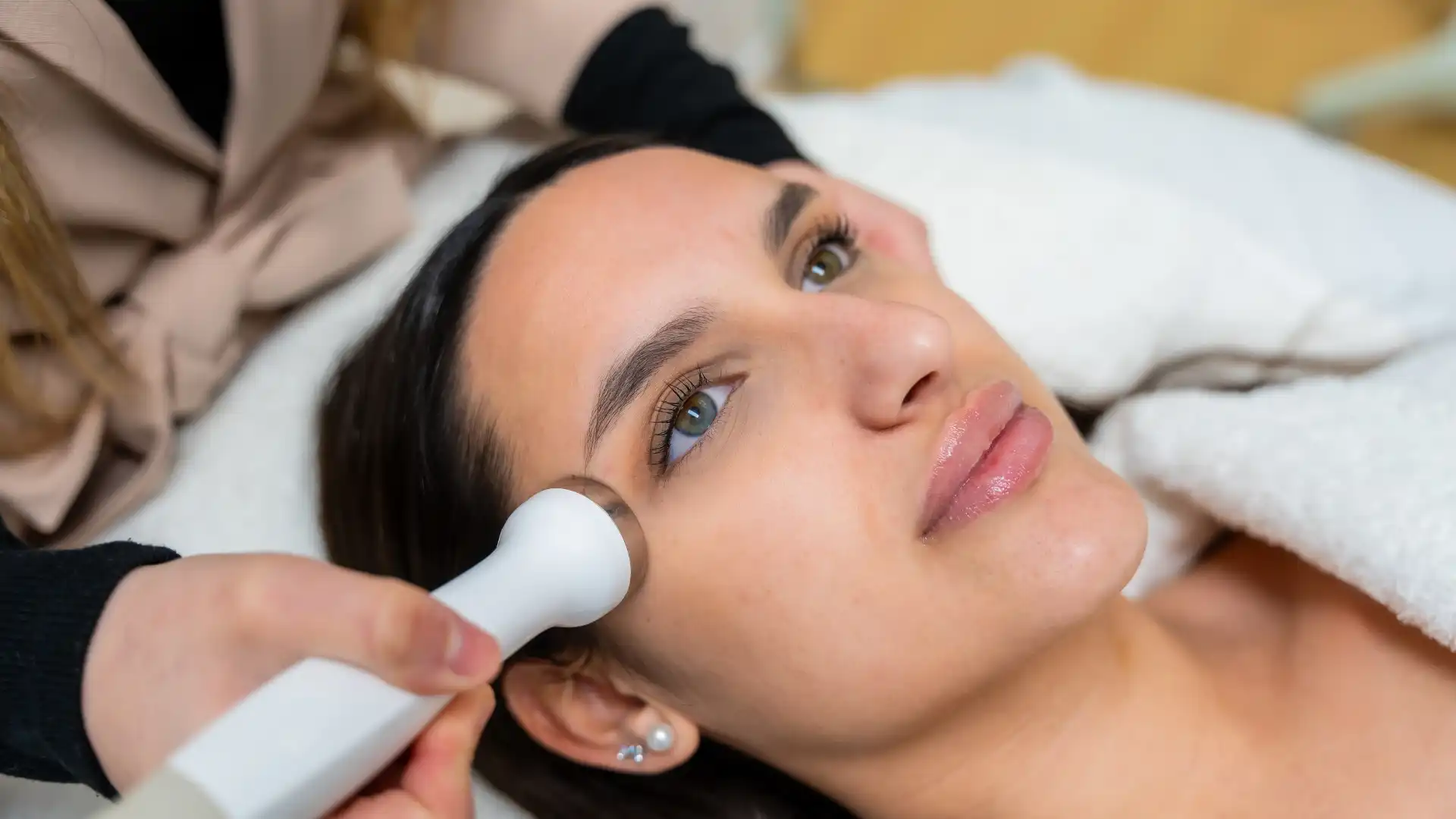
For those looking for more immediate or significant results, a range of professional anti-ageing treatments can make a striking difference. The key is choosing the right option for your specific concerns and working with qualified, regulated practitioners.
Dermal fillers for volume restoration
One of the most visible signs of facial ageing is the loss of volume in the cheeks, temples and around the mouth. Dermal fillers — typically hyaluronic acid-based — can restore this lost structure, lifting the mid-face, softening nasolabial folds and reducing the hollowness that makes people look tired. Results are immediate and typically last between 12 and 18 months depending on the area treated and the product used.
Botulinum toxin injections for dynamic wrinkles
Botulinum toxin (commonly known by the brand name Botox) relaxes the muscles responsible for expression lines — forehead creases, crow’s feet and frown lines between the brows. When used conservatively by an experienced practitioner, results look natural rather than frozen. These injections are among the most popular anti-ageing treatments in the UK for good reason: the effect typically lasts three to four months and can be maintained with regular top-ups.
Laser resurfacing and chemical peels for skin texture
CO2 laser resurfacing and medium-to-deep chemical peels work by removing the damaged outer layers of the skin, triggering the body’s natural healing response and stimulating fresh collagen production. The results on sun damage, fine lines, uneven pigmentation and skin texture can be significant — with many patients looking considerably younger after a single course of treatment. Downtime varies, but the results for younger-looking skin are often described as some of the most dramatic available without surgery.
Skin boosters and collagen stimulators
Skin boosters such as Profhilo use hyaluronic acid in a spreadable form that distributes beneath the skin rather than adding volume in a specific area. They are particularly effective for addressing laxity and overall skin quality, including the neck — an area that often reveals age more than the face itself. Treatments such as Sculptra stimulate the body’s own collagen production over several months, delivering natural-looking, long-lasting volume improvement.
PDO thread lifts offer another option for those wanting a lift without surgery. Fine dissolvable threads are inserted beneath the skin to physically lift and tighten tissues while stimulating collagen. In experienced hands, the results can be impressive and typically last around two to three years before the threads fully dissolve.
If you are considering any injectable or surgical facial procedure, choosing the right practitioner is essential. Understanding how to find a qualified plastic surgeon in the UK is an important first step before booking any consultation, as credentials, training and regulatory oversight vary considerably across providers.
Lifestyle changes that support younger-looking skin from the inside
No amount of serums or anti-ageing treatments can fully compensate for lifestyle habits that accelerate ageing from within. These changes might feel less exciting than a clinic visit, but their cumulative effect is substantial.
- Quit smoking. Tobacco breaks down collagen and elastin, accelerates the formation of wrinkles, and gives skin a dull, grey tone. Studies of identical twins consistently show that the smoking twin ages noticeably faster. Stopping smoking is one of the most impactful steps you can take for younger-looking skin.
- Reduce sugar intake. Excess sugar triggers a process called glycation, which damages collagen fibres and reduces skin elasticity. Swapping refined carbohydrates for antioxidant-rich foods like berries, leafy greens, oily fish and avocado actively supports skin repair.
- Prioritise sleep. Cellular repair, collagen synthesis and growth hormone release all peak during deep sleep. Consistently getting seven to nine hours per night allows the skin to recover and regenerate in ways that no product can replicate.
- Stay hydrated. Research suggests that higher daily water intake has a measurable positive effect on skin hydration and elasticity. Drinking enough water throughout the day helps the skin maintain its plumpness and resilience.
- Exercise regularly. Moderate physical activity improves circulation, which delivers oxygen and nutrients to the skin’s surface. Studies suggest that regular exercise may also slow cellular ageing markers, translating to a more youthful overall appearance.
- Limit alcohol. Alcohol dehydrates the skin and, over time, can contribute to broken capillaries, puffiness and an overall dull complexion. Reducing intake supports the skin’s ability to retain moisture and maintain an even tone.
Unhappy with the standard of a previous facial procedure?
If you are in doubt about whether a previous anti-ageing treatment was carried out to an acceptable standard, seeking independent advice is a vital step. You may have legal options if your results were compromised by a lack of transparency or care.
Find out where you stand
What factors affect how hard your recovery will be?
Beyond the procedure itself, several personal and surgical factors can make cosmetic surgery recovery harder than the general expectation:
- Age and general health. Older patients and those with underlying health conditions often have longer recovery periods and are more susceptible to complications.
- Surgeon skill and technique. The expertise of the surgeon has a direct impact on how cleanly the procedure is performed, how well the tissue is handled, and how the wound heals.
- Adherence to aftercare. Following post-operative instructions — compression garments, rest, wound care, prescribed medication — makes a significant difference to how the recovery progresses.
- Undisclosed risk factors. If you were not properly informed about the likely recovery experience or the risks associated with your specific procedure, this is a matter that may be relevant to a potential compensation claim.
Areas people often forget: neck, hands and under-eye skin
A common mistake when focusing on how to take 20 years off your face is neglecting the areas that can give away your age just as quickly. The neck, décolletage and hands are often overlooked in daily skincare routines, yet they thin and wrinkle at the same rate as the face — sometimes faster, because they receive less attention and more sun exposure.
Extend your SPF, moisturiser and retinol application down to the neck and chest as standard practice. Skin booster injections in the neck can also significantly improve the quality and tightness of skin in this area. For the hands, the same principles apply — regular SPF use, moisturising and treatments such as dermal fillers or Redensity skin boosters can restore a more youthful appearance.
Under the eyes, the skin is among the thinnest on the body. Tear trough filler, applied carefully by an experienced practitioner, can address hollowness and dark circles that age the face significantly.
It is also worth noting that while the vast majority of aesthetic procedures are straightforward when performed by qualified professionals, complications can occasionally occur. Patients who have experienced problems after a cosmetic procedure in the UK may be entitled to make a compensation claim, and understanding your rights is an important part of making informed decisions about any treatment.
When is it too late to start? (It never is)
One of the most reassuring messages from dermatologists and aesthetic practitioners alike is that it is never too late to benefit from better skin care. If you have significant sun damage, deep lines or volume loss, there are anti-ageing treatments and skincare strategies that can make a meaningful difference at any stage. The skin retains a remarkable capacity to improve when given the right support.
Even small changes — adding a daily SPF, using a retinol product consistently, and cutting back on alcohol and sugar — will show visible results within weeks to months. More intensive interventions, such as laser resurfacing or a course of collagen stimulators, can produce results that people describe as genuinely transformative.
The most important thing is to approach any treatment with realistic expectations and to choose practitioners who are properly qualified, transparent about risks, and registered with the relevant UK regulatory bodies. If in doubt about whether a previous procedure was carried out to an acceptable standard, it is always worth seeking independent advice.
For a broader overview of preventing premature skin ageing based on board-certified dermatology guidance, the American Academy of Dermatology’s guide to reducing premature skin ageing is an excellent evidence-based resource.
Key things to remember when trying to look younger
Here is a quick summary of the most important points when looking at how to take 20 years off your face:
- Daily SPF is the single most effective anti-ageing habit available to everyone, regardless of age or budget.
- Retinoids, Vitamin C and hyaluronic acid are the core ingredients for achieving and maintaining younger-looking skin at home.
- Professional anti-ageing treatments such as dermal fillers, botulinum toxin, laser resurfacing and skin boosters can deliver significant, visible rejuvenation.
- Lifestyle factors — particularly smoking cessation, diet quality, sleep and hydration — have a profound impact on how quickly the face ages.
- Do not neglect the neck, hands and under-eye area; these are just as revealing as the face itself.
- Always verify the qualifications and regulatory registration of any practitioner before booking a treatment.
Taking a proactive, informed approach is the most reliable path to younger-looking skin. By combining the right skincare with targeted anti-ageing treatments and positive lifestyle habits, most people will see a genuinely noticeable difference — and for many, the results are nothing short of transformative.
If you are weighing up more significant surgical options, it is also helpful to understand what recovery involves for different procedures. A guide to the hardest plastic surgery procedures to recover from can help you set realistic expectations and make a well-informed decision about which route is right for you.
Did an anti-ageing treatment leave you with unexpected results?
While professional anti-ageing treatments like fillers, Botox, or laser resurfacing can be transformative , complications can occur—especially if a practitioner lacks the proper qualifications or regulatory oversight. If you’ve experienced problems due to poor technique or inadequate advice, it may indicate negligence.Our specialist solicitors can assess your situation and advise whether you may be entitled to a cosmetic surgery negligence claim.