
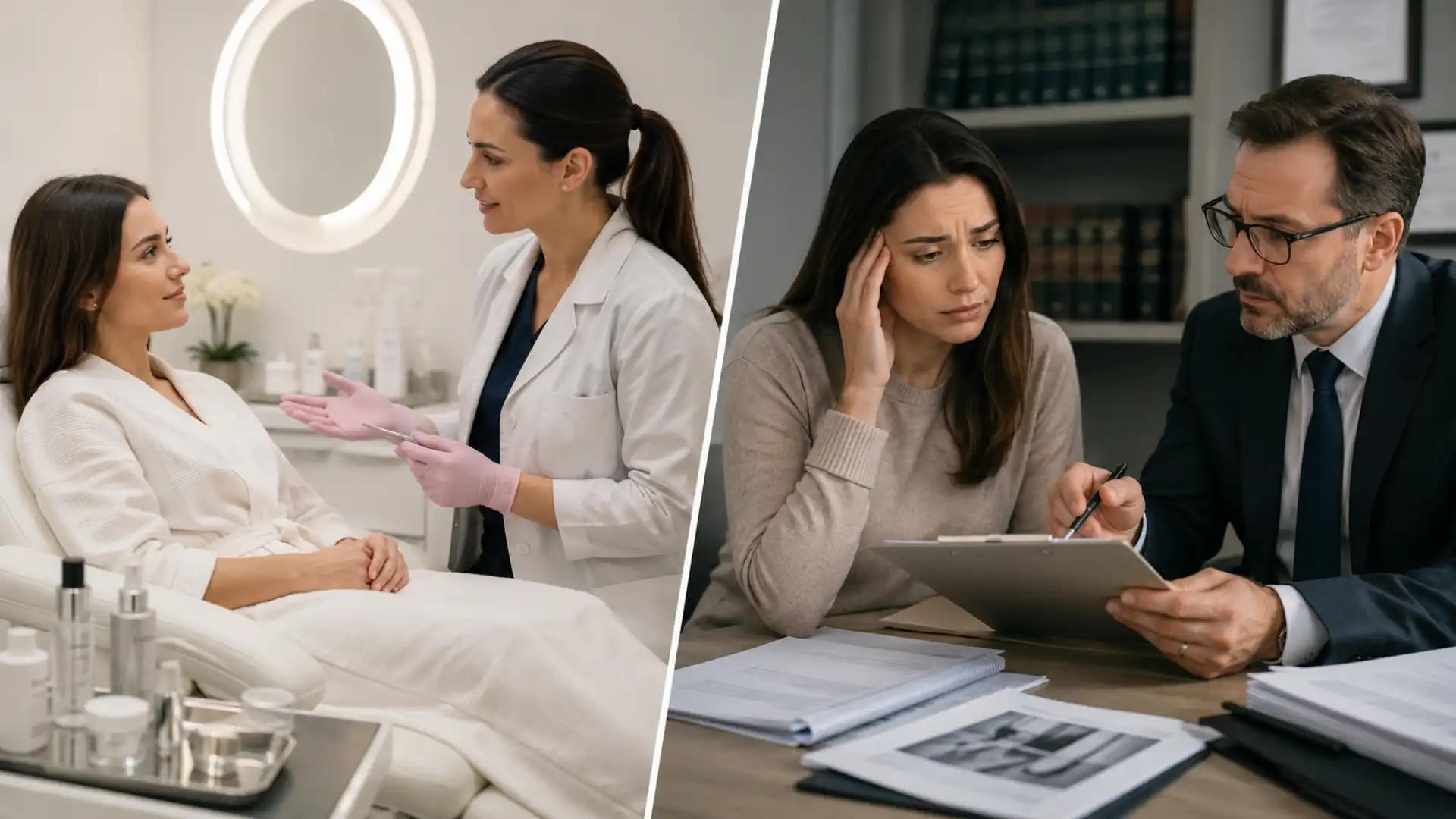
Cosmetic treatment vs medical negligence: what\’s the difference?
If your cosmetic treatment gone wrong has left you in pain, distressed, or with results you never expected, you are probably asking yourself one question: was this negligence? The answer is not always straightforward, but it matters enormously — because it determines whether you have grounds to make a cosmetic surgery negligence claim and seek the medical negligence compensation you may be entitled to.
This article explains the legal and practical difference between a cosmetic procedure that has simply produced a poor outcome and one that crosses the line into genuine negligence. Understanding that line is the first step towards knowing your rights.
What counts as a cosmetic treatment?
Cosmetic treatments cover an enormous range of procedures, from surgical operations such as breast augmentation, rhinoplasty, and facelifts, to non-surgical interventions including dermal fillers, Botox, chemical peels, and laser treatments. The common thread is that they are typically elective — chosen by the patient to alter appearance rather than to treat illness.
That elective nature is important in legal terms. Because a patient actively chooses the procedure and signs consent to accept certain risks, the law recognises that some level of imperfect outcome is foreseeable. Not every cosmetic treatment gone wrong is automatically negligence. The key question is whether the practitioner behaved as a competent professional in their field would have done.
In the UK, some cosmetic practitioners are regulated healthcare professionals — surgeons registered with the General Medical Council, for example — while others, such as those administering non-surgical treatments, may operate under far less stringent regulation. That disparity affects how negligence is assessed and how claims are pursued.
What is medical negligence in a cosmetic context?
Medical negligence occurs when a practitioner fails to meet the standard of care a competent professional in their field would reasonably provide, and that failure causes harm to the patient. In a cosmetic setting, this can take several forms.
Surgical errors
A surgeon who uses an incorrect technique, operates on the wrong area, leaves foreign objects inside the patient, or causes damage to surrounding tissue has likely fallen below the expected standard. Complications arising from these failures may support a cosmetic surgery negligence claim, provided the link between the error and the harm can be established.
Failure to obtain informed consent
Before any cosmetic procedure, a practitioner must explain what the treatment involves, what results are realistic, what the known risks are, and what alternatives exist. If a patient was not properly informed of a significant risk that then materialised, and they would have declined the procedure had they known, that failure of consent can itself form the basis of a claim — even if the surgery was technically performed correctly.
Inadequate aftercare
Post-operative care is a professional responsibility. A clinic or surgeon who fails to monitor for infection, discharges a patient without adequate instruction, or does not respond appropriately to reported complications may be liable for harm that develops afterwards. Aftercare failures are one of the less discussed but genuinely significant contributors to cosmetic treatment gone wrong scenarios.
Use of substandard products or techniques
In non-surgical aesthetics particularly, practitioners have a duty to use approved products in accordance with manufacturer guidelines and clinical best practice. Using counterfeit or unlicensed fillers, administering incorrect doses of neuromodulators, or using laser settings inappropriate for a patient’s skin type can all amount to negligence where harm results.
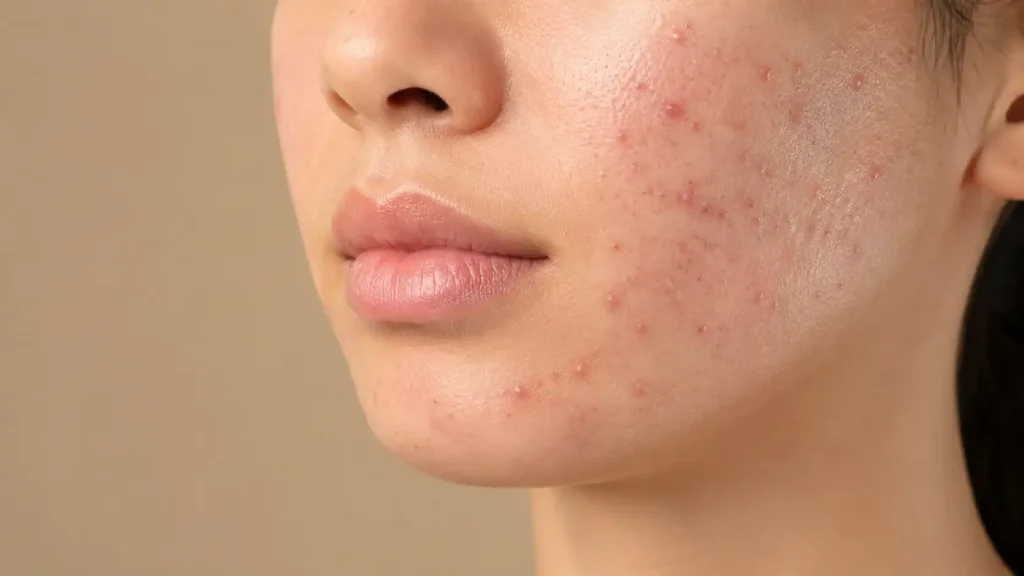
Complications versus negligence: the crucial distinction
This is where many people become confused, and understandably so. Even when a cosmetic procedure is performed with complete competence and care, complications can still arise. Bruising, swelling, temporary asymmetry, and minor scarring may all occur in the context of perfectly acceptable treatment. These are known risks that patients consent to in advance.
The legal test in England and Wales — derived from the case of Bolam v Friern Hospital Management Committee and refined in subsequent judgments — asks whether the practitioner acted in accordance with a practice accepted as proper by a responsible body of professional opinion. If the answer is yes, the outcome, however disappointing, may not be negligence.
Where a cosmetic treatment gone wrong crosses into negligence is when the complication would not have occurred had the practitioner met the standard of care, or when the patient was not adequately warned of a risk that a reasonable practitioner would have disclosed. The distinction is factual, not emotional — and that is why independent expert assessment is central to any cosmetic surgery negligence claim.
Not sure whether what happened to you is negligence?
You do not need to know the legal answer before getting in touch. Our team reviews cases with straightforward, honest guidance — and if you have grounds for a cosmetic surgery negligence claim, we will tell you clearly. Speak to our team about your experience and we can help you understand your position.
Cosmetic procedures that most commonly give rise to claims
Certain procedures appear more frequently in medical negligence compensation claims than others, often because of the complexity involved or the largely unregulated environment in which they are carried out.
Breast surgery
Breast augmentation, reduction, and reconstruction procedures carry significant surgical risks. Claims often involve implants that were incorrectly sized or placed, nerve damage, capsular contracture that was not adequately managed, or infections arising from poor hygiene standards. In some cases, pre-operative assessment failures mean a patient was not suitable for surgery but was not told so. If you have experienced complications after breast surgery, it is worth understanding whether the outcome was within expected parameters or whether a duty of care was breached.
Rhinoplasty
Nose reshaping surgery is technically demanding, and poor outcomes can include breathing difficulties, asymmetry, scarring, and structural collapse. Claims frequently involve surgeons who failed to properly assess the patient’s anatomy, used incorrect techniques, or failed to warn of the likelihood of revision surgery. Patients who have experienced problems following rhinoplasty procedures may have grounds to pursue medical negligence compensation depending on the nature of what went wrong.
Dental cosmetic procedures
Veneers, composite bonding, implants, and whitening treatments that cause lasting sensitivity, nerve damage, or structural tooth loss can constitute dental negligence. The same principles apply — was the standard of care met, and was the patient properly informed? Claims related to cosmetic dental treatment gone wrong cover a wide spectrum, from avoidable damage to healthy teeth to more serious surgical errors.
Non-surgical aesthetics
The non-surgical aesthetics market is the area of greatest concern from a patient safety perspective. In England, it has historically been possible for practitioners with no medical training to administer dermal fillers. Where such treatments result in vascular occlusion, tissue necrosis, blindness, or severe scarring, there may be a strong case for a cosmetic surgery negligence claim — particularly where the practitioner lacked the training to recognise or manage the complication.
What evidence supports a cosmetic surgery negligence claim?
Building a successful claim requires demonstrating three things: that the practitioner owed you a duty of care, that they breached that duty, and that the breach caused the harm you suffered. Evidence that supports this includes the following.
- Medical and treatment records from the clinic or practitioner — including consultation notes, pre-treatment photographs, consent forms, and product records.
- Post-procedure photographs that document your condition over time, ideally from multiple dates to show progression or deterioration.
- Written communication — emails, aftercare instructions, or clinic responses to your complaints.
- Records of any corrective treatment you have undergone, together with the associated costs.
- An independent expert medical opinion confirming that the treatment fell below the required standard.
That last point is critical. No cosmetic surgery negligence claim proceeds without an independent medical expert confirming that the care provided was substandard. The expert’s opinion translates the technical clinical picture into a form that supports the legal argument, and their assessment of whether harm was avoidable is central to how a claim is valued.
Private clinics, NHS treatment, and unregulated practitioners
The route for a claim differs depending on where treatment was received. NHS cosmetic procedures — relatively rare but including reconstruction surgeries and some corrective procedures — follow the standard NHS Resolution claims pathway. Private clinic claims are pursued directly against the clinic or its insurer. Claims against unregulated practitioners can be more complex, as the insurance position is less predictable and establishing the applicable standard of care requires specialist expert input.
Wherever your treatment took place, the duty of care principle applies. Private practitioners are not exempt from the obligation to treat patients competently and to obtain meaningful informed consent. The Care Quality Commission (CQC) regulates cosmetic surgery providers in England, and the standards it sets are relevant to how negligence is assessed in surgical claims.
The three-year time limit and why acting early matters
In England and Wales, you generally have three years from the date of the negligent procedure — or from the date you first realised that the harm may have been caused by negligence — to begin a cosmetic surgery negligence claim. This is known as the limitation period.
There are important exceptions. If you were under 18 at the time of the procedure, the three-year period does not begin until your eighteenth birthday. Where you lack the mental capacity to bring a claim yourself, the limitation period may be paused indefinitely.
Despite these exceptions, early action is strongly advisable. Medical records can become harder to obtain over time, clinical evidence may be lost or overwritten, and witness recollections fade. The sooner you seek specialist advice, the better placed you are to build a strong case and secure the medical negligence compensation that reflects the true impact of what happened to you.
Find out if you have a cosmetic surgery negligence claim
If your cosmetic treatment gone wrong has left you with physical harm, emotional distress, or unexpected costs, you may be entitled to medical negligence compensation. Our team handles breast surgery, rhinoplasty, and dental cosmetic claims on a no win, no fee basis — so there is no financial risk in finding out where you stand.