
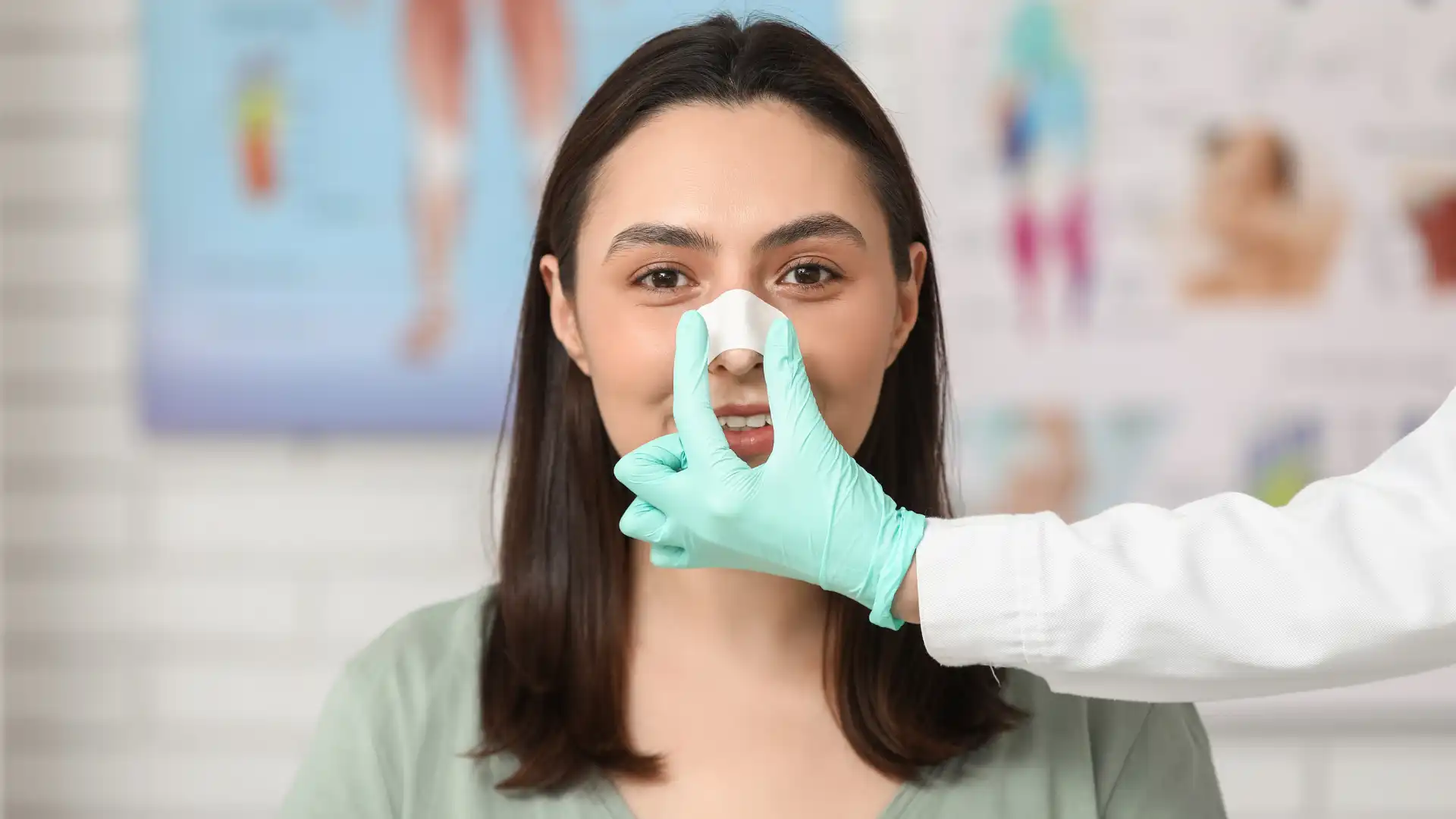
How long can rhinoplasty last?
Rhinoplasty results are, in most cases, permanent. That is one of the reasons nose reshaping surgery appeals to so many people in the UK — unlike treatments such as fillers or non-surgical rhinoplasty, a surgical nose job changes the underlying bone and cartilage structure in a way that is designed to last. But the full picture is more nuanced than a simple yes or no.
The truth is that while the structural changes made during rhinoplasty are long-lasting, a number of factors influence exactly how those results look over time. Ageing, surgical technique, your own genetics, lifestyle choices, and how well you follow your rhinoplasty recovery plan all play a role in how your nose continues to look over the decades ahead.
This guide explains what to realistically expect from your rhinoplasty results over time, what can cause them to change, and what to do if your outcome has not been what you were promised.
Do rhinoplasty results last forever?
The structural changes made during rhinoplasty are permanent. When a surgeon removes bone or cartilage to reduce the size of the nose, reshapes the nasal tip, or straightens the bridge, those physical alterations remain for life. This sets rhinoplasty apart from many other cosmetic procedures, which tend to fade or require maintenance over time.
However, permanent structural change does not mean your nose will look identical in 30 years to how it looked at six months post-surgery. The nose is a living structure, and like every part of the face, it continues to change as you age. Skin loses elasticity, soft tissue can shift, and the cartilage — particularly at the tip — may gradually relax or spread slightly over many years.
These age-related changes are natural and do not necessarily indicate that something went wrong. Understanding the difference between normal long-term evolution and a result that has deteriorated due to poor surgical technique is important — both for setting realistic expectations and for knowing when you may have grounds to take action.
What affects nose job longevity?
Several factors influence how well your rhinoplasty results hold up over time. Some are within your control, and some are not. Understanding them helps you make smarter decisions both before and after your procedure.
Surgical technique
This is the single most important factor in nose job longevity. There are two broad approaches: reductive rhinoplasty, which focuses on making the nose smaller by removing bone and cartilage, and reconstructive rhinoplasty, which refines the nose while reinforcing its underlying framework.
Reductive techniques can deliver excellent short-term results, but over time, the removal of structural support can lead to gradual changes in shape — sometimes described as a collapsing or drooping of the tip. Reconstructive approaches, by contrast, use grafts and reinforcement techniques to preserve and strengthen the nasal structure, which generally leads to better long-term stability.
This is why some people who had rhinoplasties performed many years ago notice more significant changes in their nose than those who had procedures using more modern techniques. The method used during the original surgery has a lasting impact on how the result ages.
Genetics and skin type
Your natural skin thickness plays a meaningful role in how rhinoplasty results appear. Patients with thicker skin may find that the skin takes longer to contract and drape over the new shape after surgery, which can affect how refined the final result looks. Those with thinner skin may show cartilage irregularities more readily over time. Neither is inherently better or worse, but your skin type should inform the surgical plan from the start.
Genetics also influence how quickly and how noticeably you age around the nose, and whether you are predisposed to certain structural changes over time. A thorough pre-operative assessment should take these factors into account.
Lifestyle and aftercare
Looking after your nose well during rhinoplasty recovery — and continuing good habits in the years that follow — supports the durability of your results. Smoking damages collagen and reduces skin elasticity, which accelerates ageing across the face including the nose. Excessive sun exposure has a similar effect, and can cause skin changes that alter how your rhinoplasty results appear over time.
Physical trauma is another consideration. A significant impact to the face after rhinoplasty can alter the structure that was carefully shaped during surgery — sometimes in ways that are difficult to correct. Contact sports and other activities that carry a risk of facial injury should be avoided for the recommended period after surgery and approached with care long term.
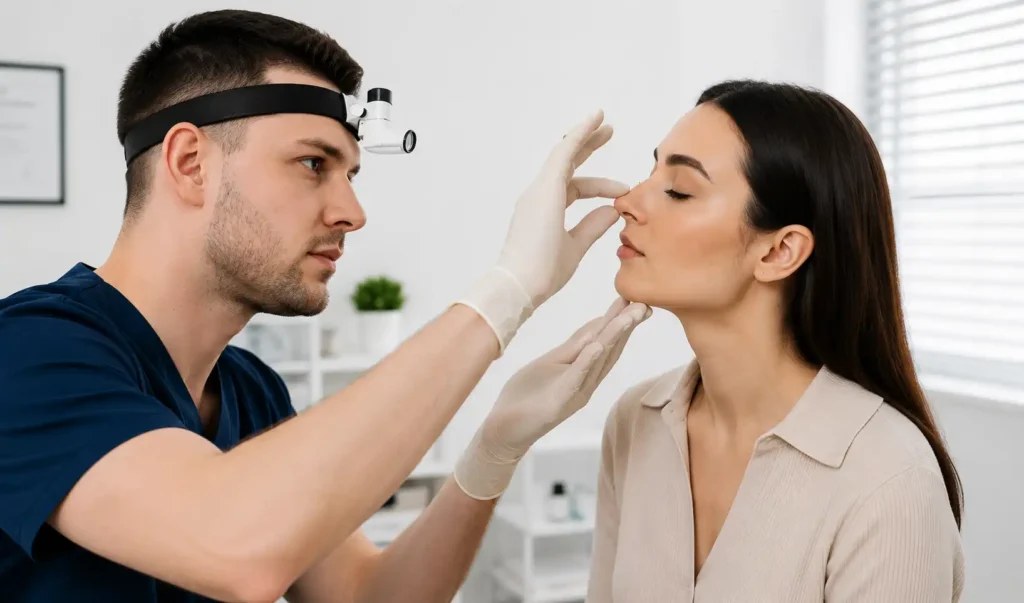
How rhinoplasty recovery shapes your long-term results
The way your nose heals during rhinoplasty recovery has a direct bearing on how the final result looks — both initially and over time. Full recovery from rhinoplasty takes considerably longer than many patients expect. While the majority of visible bruising and swelling resolves within three to four weeks, the nose continues to refine for up to twelve months or longer. Subtle swelling, particularly around the nasal tip, can linger for a year or more.
Following your surgeon’s aftercare instructions closely is not just about comfort during recovery — it actively shapes how well the rhinoplasty results settle. This includes keeping the head elevated in the early days to help reduce swelling, avoiding blowing the nose before the structures have healed, steering clear of strenuous exercise during the first four to six weeks, and protecting the nose from sun exposure and physical impact.
Patients who rush their rhinoplasty recovery, return to contact sports too soon, or neglect post-operative appointments may find that their final results are less refined than they could have been. Long-term nose job longevity starts with taking the recovery phase seriously.
The NHS provides clear guidance on what to expect during rhinoplasty recovery — including a timeline for when different activities can safely resume. Their information on nose reshaping is a reliable reference for anyone preparing for or recovering from the procedure.
Worried about the cost of fixing a bad nose job?
Revision rhinoplasty can be expensive, especially when complications or poor results were not
properly explained before surgery. If avoidable mistakes, poor care, or lack of informed consent
caused you harm, you may be able to claim for corrective treatment, pain and suffering, and
financial losses.
When rhinoplasty results change unexpectedly
Not all changes to the nose after rhinoplasty are a natural part of ageing. Some changes are the result of poor surgical technique, inadequate planning, or a failure to account properly for the patient’s individual anatomy. These situations go beyond disappointing results — in some cases they constitute surgical negligence.
Common signs that rhinoplasty results have deteriorated due to problems with the original procedure include a collapse or significant drooping of the nasal tip or bridge, visible deformities or asymmetry that were not present shortly after surgery, breathing difficulties that develop or worsen over time as a result of structural issues, and persistent or worsening problems that were meant to be corrected by the surgery.
If you notice these kinds of changes — particularly if they develop well within the timeframe where surgical results should still be stable — it is worth seeking a formal assessment. These are not always normal ageing changes, and a specialist opinion can help distinguish between the two.
Revision rhinoplasty: what to consider if your results have changed
For patients who are unhappy with how their rhinoplasty results have developed over time, revision surgery is one option. Also known as secondary rhinoplasty, this procedure involves re-operating on the nose to correct or improve the original outcome. It can address structural issues, refine the cosmetic appearance, or improve breathing function that has been compromised.
Revision rhinoplasty is generally considered more complex than a primary procedure, for several reasons. Scar tissue from the original surgery changes the anatomy, and the available cartilage may have been depleted during the first operation. Surgeons performing revision work often need to source grafting material from elsewhere — the ear or rib — to rebuild the nasal structure effectively.
It is important to seek specialist advice before pursuing revision surgery, and to understand whether the changes you are seeing are a result of natural ageing or a consequence of the original procedure. If the latter is the case, there may also be a route to compensation alongside or instead of revision surgery.
If your rhinoplasty did not go as expected and you believe the outcome may reflect substandard care, understanding what qualifies as rhinoplasty negligence is an important first step before deciding how to proceed.
How long before you see the final rhinoplasty results?
Patients often underestimate how long it takes to see the true, settled outcome of rhinoplasty. The initial swelling after surgery is significant and takes weeks to reduce to manageable levels. By around the six-week mark, the nose typically looks much closer to its eventual shape — but this is not the final result.
Subtle swelling, particularly in the nasal tip and along the bridge, continues to resolve over many months. Most surgeons advise that the rhinoplasty results at twelve months represent a reasonably accurate picture of the long-term outcome. In some cases, especially with thicker-skinned patients, full resolution can take up to eighteen months or even two years.
This extended timeline is one reason why it is so important not to judge the result too early — but also why genuine concerns that persist well beyond the twelve-month mark deserve attention. If you are still unhappy with the outcome after full healing, and particularly if you have functional problems such as breathing difficulties, these issues should be taken seriously and properly assessed.
Our frequently asked questions about cosmetic surgery compensation covers common questions about timelines, evidence, and what to do if you are unsure whether your experience qualifies as negligence.
What to do if your rhinoplasty results have not lasted as expected
If your rhinoplasty results have deteriorated, left you with unexpected complications, or produced an outcome significantly different from what was discussed before your procedure, there are several practical steps you can take.
Start by seeking a medical opinion from an independent specialist — ideally a consultant plastic or ENT surgeon with experience in revision rhinoplasty. An independent assessment will give you an objective view of whether the current state of your nose reflects the outcome of a correctly performed procedure or whether something went wrong.
Gather your documentation. This means your original consultation notes, consent forms, operative reports, and any correspondence with the clinic or surgeon. Before-and-after photographs are particularly valuable in these situations. Keep a record of your current symptoms and how they are affecting your day-to-day life.
If your assessment suggests that the standard of care may have fallen below what was reasonable, or that you were not properly informed of the risks before surgery, you may have grounds for a rhinoplasty negligence claim. In the UK, you generally have three years from the date of the procedure — or from when you first became aware that something went wrong — to bring a claim.
- Request copies of all your medical records from the original clinic.
- Seek an independent specialist assessment of your current nasal condition.
- Document symptoms, costs, and the impact on your daily life in writing.
- Keep all photographs showing before and after the procedure.
- Contact a specialist legal team to assess whether a claim is possible.
Getting specialist advice after rhinoplasty complications
Whether your rhinoplasty results have changed gradually over years or you experienced problems shortly after the procedure, understanding your options is the right starting point. Not every poor outcome is the result of negligence, but many are — and patients who have suffered harm because of substandard care deserve proper support and access to compensation.
At Cosmetic Claims, we specialise in rhinoplasty and cosmetic surgery negligence claims across the UK. Our No Win, No Fee approach means there is no financial risk in finding out where you stand. Our rhinoplasty compensation service covers the full range of claims we handle and the circumstances in which compensation may be available.
If you would like to understand exactly how the claims process works from first contact through to resolution, our step-by-step guide to making a cosmetic surgery claim explains every stage clearly — so you always know what to expect.
Has your rhinoplasty gone wrong?
If your nose job left you with breathing problems, visible deformity, infection, nerve damage,
unexpected revision costs, or a result that was very different from what you agreed, you may
still have options. Our specialist team can review what happened and explain whether you could
make a rhinoplasty compensation claim.